Need reliable 4×4 repair advice tailored to McAllen? This comprehensive guide focuses on an essential tool for off-road adventures—recovery straps. Discover their importance, selection tips, and practical usage techniques for safe and effective vehicle recovery in challenging terrains.
Introduction:
In the heart of Texas, McAllen offers a unique blend of urban convenience and natural adventure. For 4×4 enthusiasts exploring the region’s diverse landscapes, knowing how to handle unexpected breakdowns is crucial. Tips-for-4×4-repairs-in-McAllen often revolve around a key accessory: recovery straps. These versatile tools can mean the difference between a frustrating stalemate and a successful rescue when your vehicle finds itself stuck in tough terrain. Let’s delve into the world of recovery straps, their applications, and best practices for McAllen’s 4×4 owners.
Understanding Recovery Straps: A Foundation for Safety
What are Recovery Straps?
Recovery straps, also known as tow straps or winch straps, are sturdy, flexible cords designed to assist in moving or extracting vehicles from challenging situations. Crafted from high-strength materials like steel or nylon, they are rated to handle substantial weight, making them indispensable for off-road adventures.
Why are They Essential?
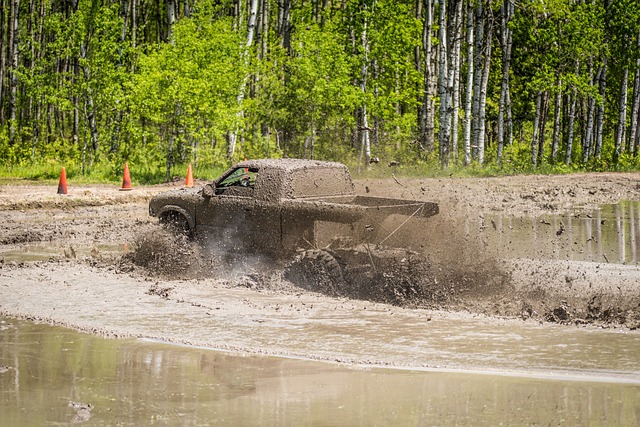
McAllen’s diverse terrain presents various obstacles, from deep mud and sand to rocky inclines. Recovery straps offer a safe and controlled method of pulling your 4×4 free when conventional driving isn’t an option. They distribute tension evenly, reducing the risk of damage to your vehicle or the recovery equipment.
Types of Recovery Straps:
- Steel Tow Chains: Traditional choice, offering excellent strength but more cumbersome.
- Nylon Slings: Lightweight and versatile, ideal for a range of applications.
- Winch Straps: Designed for winches, they are specialized yet crucial for specific recovery needs.
Choosing the Right Recovery Strap: A Critical Decision
Factors to Consider:
When selecting a recovery strap for your McAllen 4×4, keep these factors in mind:
- Vehicle Weight: Ensure the strap can handle your vehicle’s weight and intended load.
- Terrain Challenges: Different straps excel in various terrains; choose based on your primary off-roading locations.
- Length: Consider both the fully extended length and the short, operational length for easy handling.
- Abrasion Resistance: Look for durable materials to withstand rough terrain.
- Ratings and Certifications: Check for industry standards and safety certifications.
Common Misconceptions:
- Thicker is Always Better: Not always true; thicker straps may not be as flexible, making them less suitable for certain situations.
- One Size Fits All: Avoid assuming a single strap can handle all your needs; choose based on specific requirements.
Proper Usage Techniques: Maximizing Safety and Efficacy
Pre-Recovery Checklist:
Before attempting any recovery, perform these checks:
- Inspect the vehicle for damage or potential hazards.
- Ensure proper tire pressure and functioning brakes.
- Check the recovery strap’s condition, including any signs of wear or damage.
- Verify that your winching system (if used) is in good working order.
Step-by-Step Guide:
- Positioning: Park your vehicle as close to the obstacle as possible without becoming stuck. Ensure a clear path for the recovery strap.
- Secure the Strap: Attach one end of the strap securely to your 4×4 and use a figure-eight or similar knot to prevent slippage.
- Winching Technique: Gradually apply power, listening for any unusual sounds from your vehicle or the strap. Maintain steady pressure, avoiding rapid pulls.
- Monitor Tire Pressure: Keep an eye on tire pressure as recovery progresses, readjusting as needed to maintain traction.
- Control Speed: Release the winch slowly after the vehicle is free, allowing it to coast down gently before coming to a stop.
Advanced Recovery Scenarios: Overcoming Challenges
Deep Mud or Sand:
- Use shorter recovery straps for better control and precision in tight spaces.
- Consider using multiple straps in a web configuration for enhanced stability.
- Maintain a low speed, allowing the tires to grip the mud/sand effectively.
Rocky Inclines:
- Choose a nylon strap for its flexibility, which can help navigate around rocks.
- Avoid sharp turns while winching; instead, use small, controlled adjustments.
- Be prepared to adjust your vehicle’s position during recovery to prevent damage.
Maintenance and Care: Prolonging Your Recovery Strap’s Lifespan
Storage:
- Store recovery straps in a clean, dry place, away from direct sunlight and extreme temperatures.
- Periodically check for any signs of wear or degradation before each trip.
Cleaning:
- After use, clean the strap with mild soap and water to remove any mud or debris.
- Allow it to air dry completely before storing again.
Inspections:
- Regularly inspect for frayed ends, broken fibers, or other damage. Replace if necessary.
- Check the buckles and connectors for proper functionality and tight seals.
Conclusion: Embrace Recovery Strap Mastery
Tips-for-4×4-repairs-in-McAllen extend far beyond basic vehicle maintenance. Understanding and mastering recovery strap techniques empower McAllen’s 4×4 owners to face the region’s diverse terrain with confidence. By selecting the right straps, practicing proper usage, and maintaining them well, you can turn potential disasters into manageable situations. So, whether exploring remote areas or simply tackling a local mud patch, your recovery strap kit should always be within reach, ready for action.