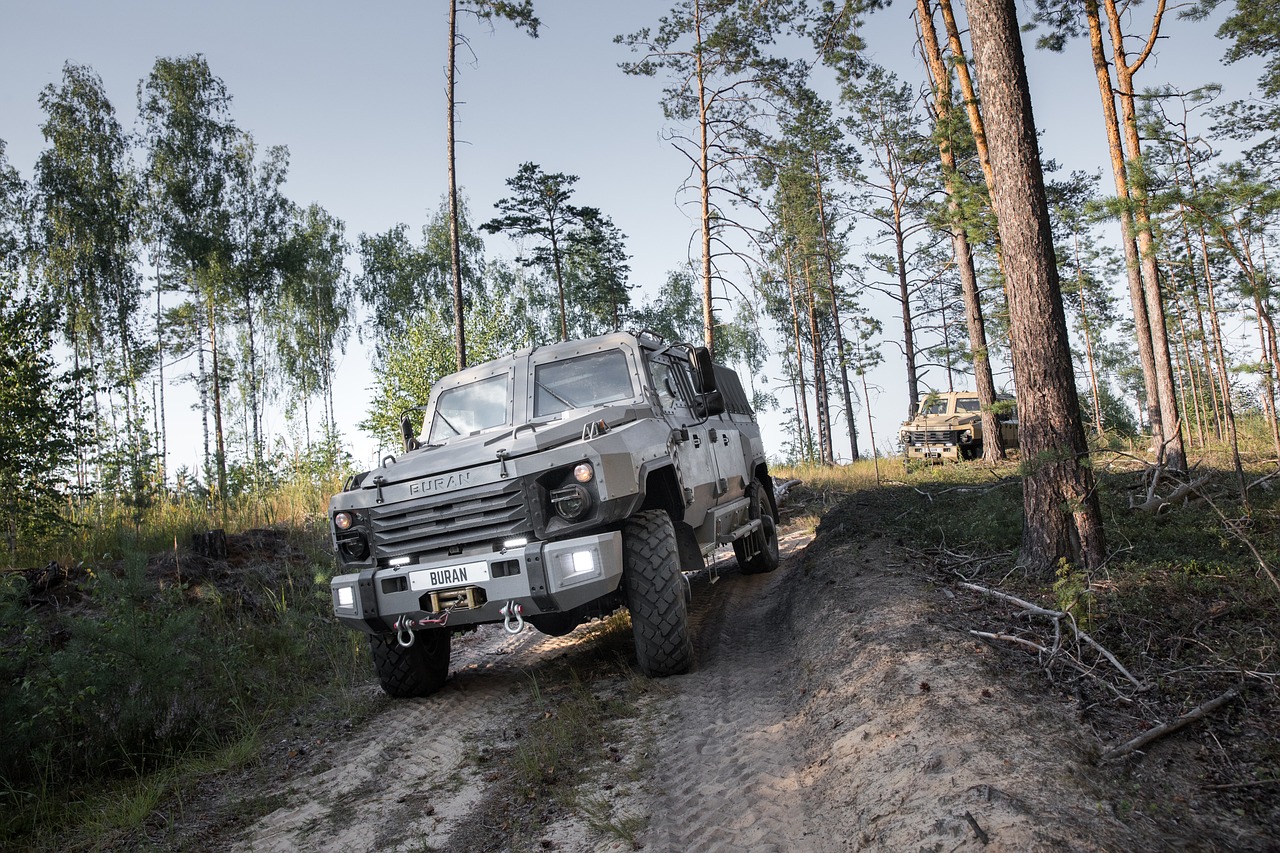
McAllen residents and nearby 4x4 enthusiasts rely on expert advice to keep their rugged vehicles in top shape. This guide offers valuable tips tailored for 4x4 repairs in McAllen, with a specific emphasis on enhancing and maintaining truck bed liners—a crucial component for off-road adventures. From identifying wear and tear to selecting the best materials and techniques, this article equips you to tackle common issues and extend the lifespan of your truck bed.
Understanding Truck Bed Liners: The First Step in McAllen 4x4 Repairs
Truck bed liners are protective coatings designed to safeguard the interior of your 4x4's bed from abrasions, corrosion, and damage caused by rugged terrain. They come in various types, including rubber, plastic, and synthetic materials, each offering unique advantages. Properly maintaining these liners is essential for both functionality and aesthetics, ensuring your McAllen 4x4 remains a reliable companion on off-road excursions.
Tips for Identifying Common Truck Bed Liner Issues
Before diving into repairs, it's crucial to recognize the signs of wear and tear. Regularly inspect your truck bed liner for:
-
Cracks and Abrasions: Look for cracks in the liner's surface or areas where the material has abraded away, exposing the underlying metal. These are indications of heavy use and potential damage from sharp objects.
-
Pits and Bumps: Irregularities in the liner's surface can form due to constant impact from uneven terrain. These imperfections not only affect the bed's appearance but also compromise its protective properties.
-
Fading or Discoloration: UV exposure and exposure to chemicals (like fuel leaks) can cause fading or discoloration of the liner. This is particularly noticeable in regions like McAllen with high sun exposure.
-
Peeling or Flaking: Over time, liners may start to peel or flake, especially if they have not been properly maintained or if moisture has penetrated beneath the surface.
Choosing the Right Materials for Truck Bed Liner Repairs
The selection of materials is a critical aspect of 4x4 repairs in McAllen, particularly for truck bed liner restoration. Here are some considerations:
Synthetic Liners:
-
Advantages: Highly durable, resistant to chemicals, and easy to clean. They offer excellent protection against wear and tear and can withstand extreme temperature changes.
-
Considerations: Higher upfront cost compared to other options. Ensure you choose a high-quality synthetic that matches the original manufacturer's specifications.
Rubber Liners:
-
Pros: Offer superior cushioning and impact resistance, making them ideal for off-road vehicles. They are also relatively affordable.
-
Cons: May require more frequent replacement than other materials. Rubber can crack or become brittle over time due to UV exposure.
Plastic Liners:
-
Benefits: Lightweight, easy to install, and cost-effective. Plastic liners are a popular choice for those seeking a simple, budget-friendly solution.
-
Drawbacks: Less durable than synthetic or rubber and may not provide the same level of protection against heavy impacts.
Step-by-Step Guide to Repairing Your Truck Bed Liner
Assessment: Begin by thoroughly inspecting the damaged area. Clean the surface, removing any debris or loose material. Identify the extent of the damage and determine the most suitable repair method.
Patching and Filling:
-
Small Cracks: For minor cracks, use a high-quality epoxy or urethane-based filler designed for truck bed liners. Apply the filler using a small spatula or putty knife, ensuring it completely fills the crack. Smooth the surface with the tool after application to achieve a uniform finish.
-
Larger Damage: In cases of larger holes or severe damage, consider cutting out the damaged section and replacing it with a patch made from the same material as your liner. This involves precise cutting and careful alignment for a seamless fit.
Surface Preparation:
No matter the repair method, proper surface preparation is crucial. Sand the repaired area lightly to ensure good adhesion of any new material. Clean the surface thoroughly with a degreaser to eliminate any oil or grime that could hinder bonding.
Application of New Liner Material:
- For synthetic or rubber liners, use a specialized adhesive recommended for your chosen material. Apply it evenly over the prepared surface and place the new liner section, pressing firmly for a secure bond.
- Plastic liners can often be fused directly onto the existing liner using heat (a hot air gun is commonly used) or a special adhesive designed for plastic bonding.
Curing and Final Touches:
Allow the repair to cure according to the manufacturer's instructions. Once cured, inspect the work for any imperfections and make final adjustments. Ensure all edges are smooth and securely attached.
Preventative Measures: Maximizing Truck Bed Liner Lifespan
While repairs are essential, preventative maintenance plays a significant role in prolonging your truck bed liner's life. Implement these strategies to keep your 4x4's bed in top condition:
-
Regular Cleaning: Wash your 4x4 bed regularly using mild soap and warm water. Avoid harsh chemicals that could damage the liner.
-
Protection from Elements: Park your vehicle under cover when possible, especially in areas with intense sunlight or frequent rainfall. This helps prevent UV damage and chemical exposure.
-
Load Management: Ensure heavy loads are evenly distributed to avoid putting excessive strain on any one area of the bed, which can accelerate wear and tear.
-
Avoid Sharp Objects: Be mindful of what you transport in your 4x4 bed. Avoid loading sharp objects that could puncture or scratch the liner.
When to Seek Professional Help
While DIY repairs can be cost-effective, certain situations may warrant professional assistance:
-
Extensive Damage: For large areas of damage, extensive cracking, or signs of structural compromise, it's best to consult a specialized 4x4 repair shop. They have the expertise and equipment to handle complex repairs effectively.
-
Specialized Liners: If you're installing a specialized liner, such as a custom-fitted design or an exotic material, professional installation ensures optimal performance and longevity.
Conclusion: Keep Your McAllen 4x4 Rolling Strong with Expert Liner Care
Proper care and timely repairs are the keys to keeping your McAllen 4x4's truck bed liner in top shape. By understanding common issues, choosing the right materials, and following a structured repair process, you can extend the lifespan of this vital component. Remember, a well-maintained truck bed liner means better performance, enhanced durability, and many more miles of off-road adventure ahead.