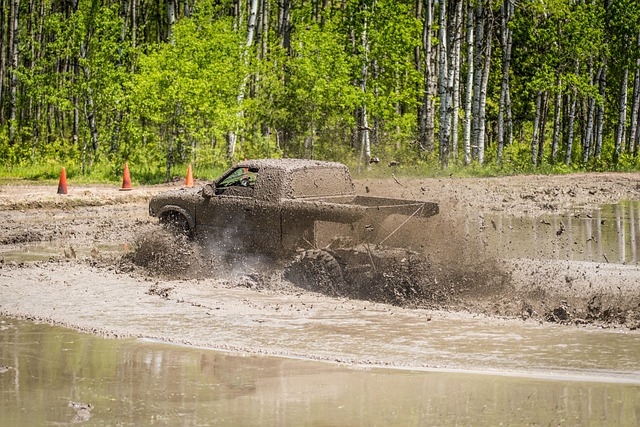
This comprehensive guide offers expert tips tailored for residents of McAllen, Texas, who need to perform 4×4 repairs, specifically focusing on receiver hitches. It covers everything from identifying common hitch problems to step-by-step repair procedures, ensuring your off-road vehicle is safe and reliable for future adventures.
Introduction:
In the rugged landscapes of McAllen, Texas, where off-road enthusiasts gather, knowing how to maintain and repair your 4×4 equipment can make all the difference. Among the critical components of any 4×4 rig, the receiver hitch plays a pivotal role in towing and hauling, making its repair a crucial skill for local owners. This article delves into the intricacies of receiver hitch maintenance and offers valuable tips for effective 4×4 repairs in McAllen, ensuring your vehicle is ready to conquer any trail.
Understanding Receiver Hitches: A Foundation for Repairs
What is a Receiver Hitch?
A receiver hitch is a crucial attachment point on your 4×4 vehicle, designed to securely accommodate a trailer or haul-back. It consists of a metal box, known as the "receiver," which is welded or integrated into the bed of your truck. This robust component features a series of pins and holes that allow for the secure attachment of towing hardware.
Common Receiver Hitch Issues in McAllen’s Off-Road Community:
McAllen’s diverse terrain presents unique challenges for 4×4 owners, leading to several common receiver hitch problems:
- Corrosion: The humid climate can accelerate corrosion, causing rust and deterioration in metal components.
- Wear and Tear: Regular use, especially on rough trails, can wear down pins, holes, and the overall structure.
- Misalignment: Improper installation or damage can result in misaligned hitches, compromising towing stability.
- Broken Hardware: Overloaded or damaged hitches may lead to broken pins, bolts, or other critical hardware.
Tips for Effective 4×4 Receiver Hitch Repairs in McAllen
1. Inspection: The First Step Towards Repair
Before diving into any repair, a thorough inspection is essential. Here’s what to look for:
- Visual Examination: Check for signs of corrosion, cracks, or damage on the hitch and surrounding components.
- Functionality Test: Ensure all pins and latches operate smoothly and securely.
- Alignment Check: Verify that the hitch is correctly aligned with your 4×4’s bed for optimal performance.
2. Gathering Necessary Tools and Parts
A successful repair requires the right tools and replacement parts. Here’s a checklist to guide you:
- Diagnostic Tools: Use a voltage tester to check electrical connections and a wrench set for mechanical adjustments.
- Replacement Parts: Obtain high-quality pins, bolts, bushings, and any other worn components from trusted McAllen auto parts stores.
- Lubrication: Stock up on corrosion-inhibiting lubricants to prevent future issues.
3. Step-by-Step Repair Process:
Disassembly:
- Safety First: Ensure your vehicle is stable and secured, especially if it’s still partially on the road.
- Unbolt Components: Start by removing the hitch cover and any visible hardware using appropriate tools.
- Disconnect Electrical: Tap into the hitch’s electrical connections to avoid short circuits during repair.
Cleaning and Inspection:
- Remove Corrosion: Use a wire brush or specialized cleaning solutions to eliminate rust and debris from all components.
- Inspect Thoroughly: Examine pins, holes, and hardware for any damage or wear that requires replacement.
Replacement and Reassembly:
- Install New Parts: Replace worn components with new ones, ensuring proper fitment.
- Lubricate: Apply lubricant to pins, bushings, and other moving parts to facilitate smooth operation.
- Reassemble: Carefully put the hitch back together, tightening hardware securely but avoiding over-tightening.
Final Testing:
- Operation Check: Test all latches and pins to ensure they function correctly and securely.
- Towing Test: If possible, tow a light load to verify the hitch’s stability and performance.
Frequently Asked Questions (FAQs):
-
How often should I inspect my receiver hitch?
Regular inspections are crucial, especially after extreme weather events or challenging trail conditions. A monthly visual check and periodic functionality test can help identify potential issues early on.
-
Can I perform these repairs myself?
Absolutely! Many 4×4 owners in McAllen successfully tackle receiver hitch repairs with the right tools and knowledge. However, if you’re unsure, consider seeking assistance from experienced local mechanics or auto shops.
-
What should I do if my hitch is severely damaged?
Major damage may require professional repair or replacement. In such cases, consult a reputable McAllen automotive shop specializing in 4x4s for expert advice and service.
-
Are there any tips for preventing corrosion on my receiver hitch?
Regular cleaning with a rust inhibitor and ensuring proper lubrication can significantly extend the life of your hitch. Additionally, storing your vehicle in a covered area during prolonged periods of moisture exposure is beneficial.
Conclusion:
Maintaining your 4×4’s receiver hitch is an essential aspect of responsible ownership. By understanding the components, common issues, and repair processes, McAllen residents can ensure their vehicles are ready for any off-road adventure. Remember, a well-maintained hitch translates to safer towing, improved performance, and fewer unexpected breakdowns on the trail. With these tips in hand, you’re now equipped to tackle 4×4 repairs with confidence!