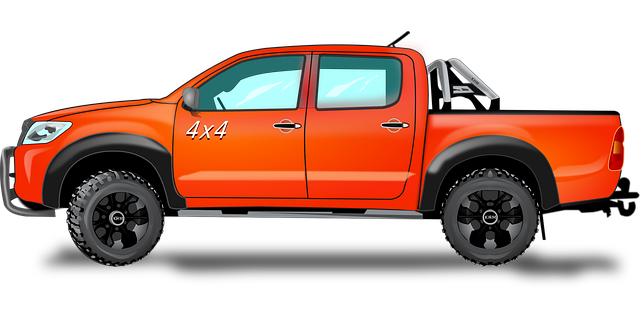
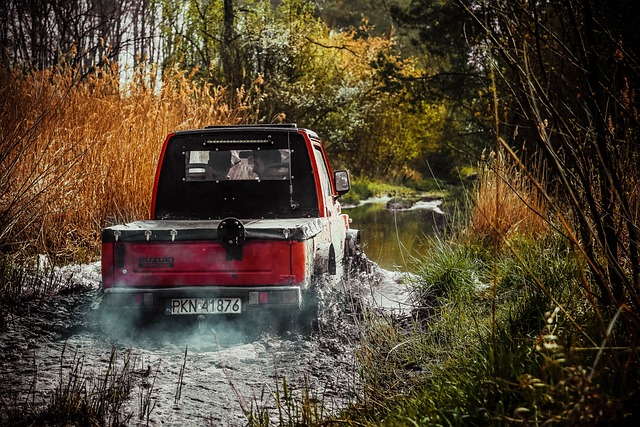
Are you a McAllen resident with a love for off-roading? Proper 4×4 repairs are crucial to keep your rig running strong. This guide, specifically tailored to McAllen, offers expert tips on tackling one often-overlooked component: truck skid plates. We’ll cover their importance, installation best practices, common issues, and maintenance tips to ensure your 4×4 is ready for any terrain.
Introduction
In the rugged landscapes surrounding McAllen, Texas, reliable 4×4 repairs are essential for navigating challenging terrains. This comprehensive guide focuses on a key component often overlooked: truck skid plates. These sturdy barriers not only enhance your vehicle’s off-road performance but also protect it from underbody damage. Let’s delve into tips for installation, maintenance, and troubleshooting to keep your 4×4 in peak condition.
Understanding Truck Skid Plates
What Are Skid Plates?
Skid plates are reinforced metal plates attached underneath a truck or SUV to protect vital components from impacts, scrapes, and debris while off-roading. They serve as a barrier between these parts and the harsh elements encountered on rough terrain.
Why Are They Important?
In McAllen’s diverse terrain, which can range from muddy trails to rocky outcrops, skid plates offer significant advantages:
- Protection: They shield sensitive underbody components like the transfer case, differential, and fuel tank from damage caused by rocks, roots, or other obstacles.
- Improved Ground Clearance: By raising the vehicle slightly, skid plates increase ground clearance, allowing for easier navigation over obstacles.
- Enhanced Durability: Strong, durable materials ensure these plates withstand the rigors of off-road adventures.
Tips for 4×4 Repairs in McAllen: Choosing and Installing Skid Plates
Selecting the Right Plate
Choosing the right skid plate for your 4×4 is crucial. Consider these factors:
- Vehicle Make and Model: Ensure the plate is specifically designed for your truck or SUV make, model, and year.
- Terrain Conditions: For McAllen’s varied terrain, choose a plate with adequate coverage that protects against local hazards like sharp rocks and debris.
- Material and Construction: Opt for high-quality steel or aluminum plates for durability. Check for robust welding and secure mounting points.
Installation Best Practices
Proper installation ensures optimal protection and prevents future issues. Follow these guidelines:
- Follow Manufacturer Instructions: Carefully read the instructions provided by the skid plate manufacturer for accurate sizing, mounting, and tightening procedures.
- Secure Mounting: Use all provided hardware and ensure all bolts are securely fastened to prevent vibration or movement during off-road driving.
- Check Clearances: Verify that the installed skid plate does not interfere with suspension components, axles, or other underbody parts.
Common Skid Plate Issues and Troubleshooting
Even with proper installation, troubleshooting potential problems is key to maintaining your 4×4:
- Rust and Corrosion: Exposure to elements can lead to rust buildup on the skid plate and underlying components. Regular washing, waxing, and inspection are crucial for early detection and prevention. Consider using corrosion-resistant materials if you live in areas with high humidity.
- Impact Damage: Even with protection, obstacles like large rocks can still cause damage. Inspect your skid plates regularly for dents or cracks, and replace them as needed to maintain optimal performance.
- Loose Mounting: Over time, hardware may loosen due to vibration. Periodically check all bolts and nuts, tightening them if necessary to ensure secure mounting.
Maintenance Tips for Optimal Performance
Regular maintenance extends the life of your skid plates and ensures continuous protection:
- Inspect Regularly: Examine your skid plates before and after each off-road trip for signs of wear, damage, or loose hardware.
- Clean Thoroughly: Wash your skid plates periodically to remove dirt, mud, and debris buildup. Use a soft brush and mild detergent for delicate materials.
- Lubricate Hardware: To prevent rust and ensure smooth operation of any moving parts, apply a light layer of lubricating spray to all hardware.
- Replace Worn Parts: If you notice any signs of significant wear or damage, replace the affected components promptly. Don’t wait until failure occurs.
Conclusion
Proper 4×4 repairs are vital for safe and enjoyable off-roading in McAllen’s diverse terrain. By prioritizing truck skid plates—understanding their function, choosing the right ones, installing correctly, maintaining them diligently—you’ll be better equipped to conquer any trail while minimizing the risk of damage to your rig. Remember, a well-maintained 4×4 is a happy off-roader’s best friend!
Frequently Asked Questions (FAQs)
-
How often should I inspect my skid plates?
It’s recommended to check your skid plates before every off-road trip and perform a thorough inspection at least once a month during regular use. -
Can I install a skid plate myself, or do I need a professional?
Most skid plates can be installed by an experienced DIYer with the right tools and following the manufacturer’s instructions. For more complex installations, however, it’s best to consult a professional for guaranteed precision and safety. -
What are some signs that my skid plates need replacement?
If you notice significant rusting, cracks, dents, or loose hardware, your skid plates may be damaged and require replacement for optimal protection.