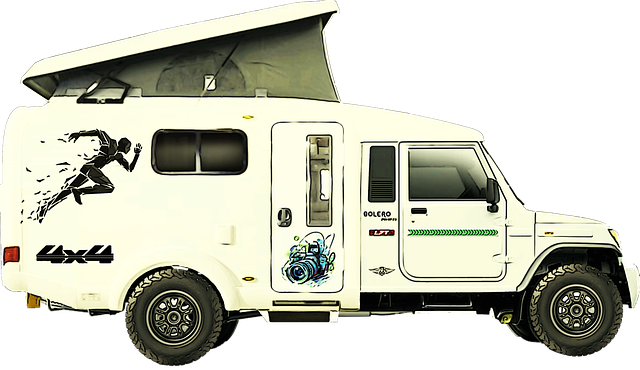
Mastering basic 4×4 repairs in McAllen can save you time, money, and potential headaches on the road. This guide delves into essential knowledge about tow hooks and other critical components, offering practical tips for efficient repairs to keep your off-road vehicle running smoothly.
Introduction:
In the heart of Texas, McAllen stands as a hub for 4×4 enthusiasts and outdoor adventurers. Whether you’re navigating rugged terrain or simply tackling the city’s challenging streets, reliable 4×4 repairs are essential. This article focuses on a crucial aspect often overlooked but vital to your vehicle’s performance: tow hooks. We’ll explore tips for repairing and maintaining these components, ensuring your 4×4 remains in top shape for all your McAllen adventures.
Understanding Tow Hooks: The Unsung Heroes of Your 4×4
What Are Tow Hooks?
Tow hooks are robust metal devices securely attached to your 4×4’s chassis or frame. Designed to withstand immense force, they serve as attachment points for towing other vehicles, hauling heavy loads, or securing cargo during off-road excursions.
Why Are They Important?
In McAllen’s diverse terrain, from muddy trails to sandy deserts, tow hooks become invaluable tools. They enable you to:
- Tow Other Vehicles: Whether assisting a fellow off-roader or recovering a stuck vehicle, tow hooks allow you to help others (or yourself) in need.
- Haul Heavy Loads: From large equipment to heavy trailers, these hooks ensure your 4×4 can handle its fair share of weight.
- Secure Cargo: During long drives or off-road trips, tow hooks keep cargo in place, preventing it from shifting and causing accidents.
Common Tow Hook Issues:
Despite their durability, tow hooks can experience issues due to intense use, harsh conditions, or manufacturing defects. Some common problems include:
- Corrosion: Salted roads and moist environments accelerate corrosion, weakening the hook’s integrity over time.
- Worn or Broken Components: Regular use may lead to wear and tear, resulting in broken pins, chains, or mounting hardware.
- Misalignment: Improper installation or damage can cause hooks to become misaligned, affecting towing stability and safety.
Tips for 4×4 Repairs in McAllen: Tow Hooks and Beyond
Regular Inspection: The Key to Prevention
- Visual Checks: Regularly inspect your tow hooks for signs of wear, corrosion, or damage. Look for any loose components or misalignments.
- Test Towing: Periodically test your towing capabilities. Attempt to tow a known weight to ensure your hooks and associated hardware are functioning optimally.
- Maintenance Schedule: Follow a maintenance schedule that includes cleaning the hooks and treating them with corrosion-inhibiting products, especially in salty environments.
Troubleshooting Common Issues:
Corrosion:
- Cleaning: Use a wire brush or specialized cleaning tools to remove rust. Apply a protective coating after cleaning to inhibit future corrosion.
- Replacement: If severe corrosion compromises the hook’s strength, consider replacing it with a new, high-quality tow hook designed for your vehicle.
Worn or Broken Components:
- Inspect Hardware: Regularly check the pins, chains, and mounting hardware for wear or breakage. Replace any faulty components immediately to prevent further damage.
- Upgrade Kits: Consider upgrading to kits that include new hooks, pins, and other necessary parts from reputable manufacturers known for their quality and compatibility.
Misalignment:
- Alignment Tools: Use specialized alignment tools to ensure the tow hooks are properly positioned. Misalignment can be corrected by realigning the hooks or replacing damaged components.
- Professional Help: If misalignment is severe, consult a professional mechanic in McAllen who specializes in 4×4 repairs for accurate adjustment and safety.
Choosing the Right Tow Hooks: A Buyer’s Guide
Factors to Consider:
- Vehicle Compatibility: Ensure the tow hooks are designed for your specific 4×4 model and year. Incorrect fitment can lead to poor performance and potential damage.
- Towing Capacity: Choose hooks that exceed your expected towing needs. Overloading can cause serious issues, so always opt for a higher capacity if available.
- Material Quality: High-quality steel or alloy hooks offer superior strength and durability. Consider factors like heat treatment, surface coatings, and overall construction quality.
- Installation Ease: Some hooks are designed for simple bolt-on installation, while others may require specialized tools or expertise. Choose based on your comfort level with the installation process.
Popular Tow Hook Brands:
Research and consult with McAllen’s trusted 4×4 repair shops to discover recommended brands like:
- Rinehart: Known for their robust towing accessories, Rinehart offers a wide range of tow hooks suitable for various 4×4 models.
- Smiths Industries: Smiths provides high-quality, durable tow hooks and recovery equipment, ensuring reliable performance.
- T-Max: T-Max’s innovative designs and advanced materials make their tow hooks popular among off-road enthusiasts.
Maintenance Tips for Optimal Performance:
- Cleaning and Protection: After each use, clean the hooks and apply a corrosion inhibitor, especially after driving in salty or muddy conditions.
- Regular Testing: Periodically test your towing capabilities and hook integrity to ensure they remain within safe operating limits.
- Documentation: Keep records of repairs, replacements, and maintenance tasks for future reference and to identify recurring issues.
Frequently Asked Questions (FAQs):
-
How often should I inspect my tow hooks?
It’s advisable to perform a visual inspection at least once a month and after any off-road adventure or extreme towing event. -
Can I use regular car jack for lifting my 4×4 to inspect the tow hooks?
While a standard vehicle jack may work, specialized 4×4 jacks designed for safe lifting are recommended due to the unique frame geometry of your off-road vehicle. -
What should I do if I notice a loud clanking noise while towing?
A loud clanking could indicate misaligned or damaged tow hooks. Have your 4×4 inspected by a professional mechanic in McAllen for safety and proper adjustment. -
Are there any DIY methods to remove corrosion from tow hooks?
Yes, you can use specialized chemical cleaners designed for off-road equipment or mild solutions like baking soda paste. Always rinse thoroughly after cleaning to prevent residue buildup. -
How do I know if my 4×4 needs new tow hooks?
If you experience frequent breakage, severe corrosion, or noticeable misalignment, it’s time for a replacement. Consult with McAllen repair experts who can assess your vehicle and recommend suitable upgrade options.
Conclusion:
Mastering the art of 4×4 repairs in McAllen, particularly when it comes to tow hooks, is a valuable skill that ensures your vehicle remains reliable during your off-road escapades. Regular inspection, proactive maintenance, and informed purchasing decisions will keep you safe and on the road. With these tips in hand, you’ll be well-equipped to handle any minor issues that arise, whether you’re navigating the bustling city streets or exploring McAllen’s untamed natural beauty.