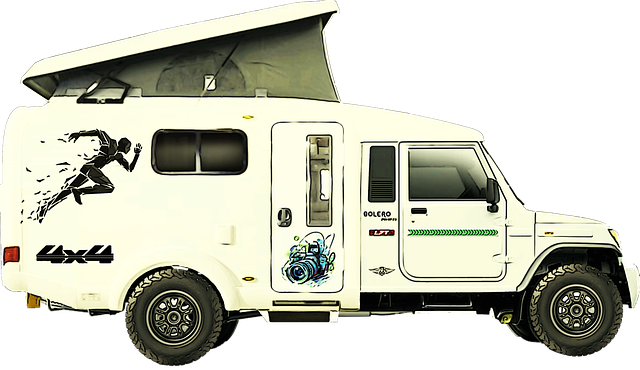
A Deep Dive into Essential Tips for 4×4 Owners in McAllen
This guide is tailored for McAllen residents with 4×4 vehicles, focusing on a crucial aspect of maintenance and repair: U bolts. We’ll unravel the mystery behind these essential components, offering practical tips to keep your 4×4 running smoothly. From understanding U bolt functions to troubleshooting common issues, this article equips you with the knowledge to tackle basic repairs confidently.
Tips-for-4×4-Repairs-in-McAllen: Unlocking the Power of U Bolts
In the world of 4×4 vehicles, U bolts are more than just hardware; they are the unsung heroes that ensure your off-road adventures remain smooth and safe. This article delves into the significance of U bolts in McAllen, providing a comprehensive guide to their repair and maintenance for all local 4×4 enthusiasts.
Understanding U Bolts: The Foundation of 4×4 Stability
What Are U Bolts?
U bolts, also known as universal joints or U-shaped bolts, are critical components in 4×4 vehicles, particularly in the drive train and suspension systems. Their unique design allows for the connection of two axles or shafts at a 90-degree angle, enabling your vehicle’s ability to negotiate challenging terrain.
Why Are They Essential?
The primary role of U bolts is to provide stability and flexibility to 4x4s. In off-road conditions, surfaces can vary widely, from rocky trails to muddy rivers. U bolts adapt to these variations, preventing wheel spin and ensuring your vehicle maintains control. They also contribute to a smoother ride by absorbing shock and vibrations.
Common U Bolt Applications:
- Axle Joints: Connecting front and rear axles, enabling your 4×4’s all-wheel drive capability.
- Differential Mounts: Securing differentials to the axle housing, facilitating smooth power transfer during turns.
- Suspension Systems: Used in various suspension components for added support and stability.
Tips for Effective U Bolt Maintenance in McAllen
Regular Inspection: The First Step
- Visual Check: Examine your 4×4’s undercarriage regularly for signs of wear, rust, or damage to U bolts and related hardware.
- Tighten at Interval: Follow the vehicle manufacturer’s recommendations for torque specifications when checking and tightening U bolt connections.
Common Issues and Troubleshooting:
1. Looseness:
- Cause: Normal wear, especially in off-road vehicles.
- Solution: Tighten bolts securely using a torque wrench to prevent loose components that can cause driveline issues.
2. Rust and Corrosion:
- Impact: Can lead to weakened bolts and reduced stability.
- Prevention & Remedy: Use rust inhibitor spray during maintenance, and consider replacing severely corroded bolts to avoid safety hazards.
3. Uneven Tire Wear:
- Symptom: One side of your tire wears faster than the other.
- Diagnosis: Check U bolt alignment and adjust as needed. Improper alignment can cause uneven wear, impacting handling and fuel efficiency.
When to Replace U Bolts:
- Age and Mileage: Consider replacement every 50,000 miles or so, depending on usage intensity.
- Extreme Conditions: Off-road adventures take a toll; frequent extreme terrain driving may require more frequent replacements.
- Visual Inspection: If bolts show signs of severe corrosion, excessive wear, or damage, they should be replaced immediately.
Step-by-Step U Bolt Replacement Guide
Tools and Safety Gear:
Before beginning any repair, ensure you have the necessary tools and safety equipment:
- Jack and Jack Stands: For safe vehicle lifting.
- Socket Set: With various sizes suitable for your 4×4’s U bolt applications.
- Torque Wrench: To achieve the correct torque during tightening.
- Gloves, Safety Glasses, and Hearing Protection: Essential safety gear.
Steps:
- Locate and Access the U Bolts: Refer to your vehicle’s repair manual for precise locations. Identify the specific bolts you need to replace.
- Lift and Secure the Vehicle: Use a jack to lift the vehicle, then engage jack stands for stability. Ensure safety by chocking wheels not on stands.
- Remove the Old Bolts: Using the appropriate sockets, carefully remove each bolt, taking note of their positions and any associated hardware.
- Clean and Inspect: Thoroughly clean the U bolt holes and adjacent components, checking for damage or debris.
- Install New Bolts: Thread new bolts into the cleaned holes, ensuring they are securely fastened but not over-tightened.
- Reassemble and Test: Put all related hardware back in place, lower the vehicle, and test drive it to ensure proper functioning.
Frequently Asked Questions (FAQs)
1. How often should I replace U bolts?
Regular replacement is crucial for safety. Consider replacing them every 50,000 miles or as per your vehicle manufacturer’s recommendations, especially after intense off-road use.
2. Can I tighten loose U bolts with a drill?
While tightening may seem faster, using a drill can cause damage. Always use a torque wrench to ensure the correct amount of force is applied during tightening for optimal security and to prevent over-tightening.
3. What should I do if I notice rust on U bolts?
Rust weakens bolts significantly. If corrosion is severe, replace the bolts immediately. For minor cases, clean the bolts with a wire brush and apply a suitable rust inhibitor spray.
Conclusion: Empowering McAllen’s 4×4 Owners
Understanding U bolts and their role in your 4×4’s performance is a powerful skill for any McAllen resident who enjoys off-road adventures. By regularly inspecting, maintaining, and replacing these critical components as needed, you ensure your vehicle remains reliable and safe. This guide has provided valuable tips to enhance your 4×4 repair capabilities, empowering you to take on basic U bolt tasks yourself while keeping the more complex repairs for professionals. Happy trails!