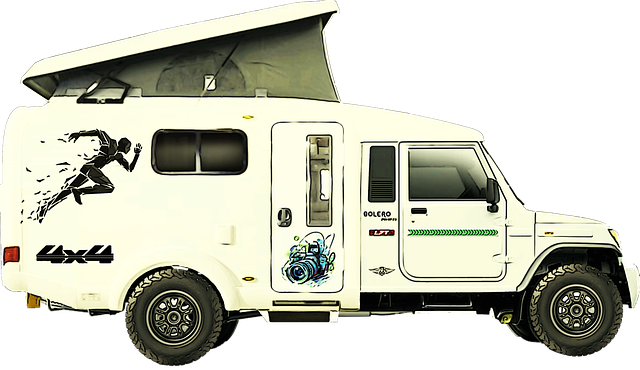
If you’re a 4×4 enthusiast in McAllen, knowing how to perform basic repairs and utilizing tools like recovery straps can make all the difference during off-road adventures. This guide offers expert tips on 4×4 repairs specific to McAllen’s challenging terrain, with a focus on using recovery straps for safe and effective vehicle recovery.
Introduction: The Importance of 4×4 Repairs in McAllen
McAllen, located in the heart of Texas, presents unique challenges for 4×4 enthusiasts due to its diverse terrain, from muddy trails to rocky deserts. When your off-road adventures take a turn for the worse, having the right tools and knowledge for 4×4 repairs can mean the difference between a minor setback and a major breakdown. This article focuses on one crucial tool: recovery straps, offering a comprehensive guide to their use and importance in McAllen’s demanding 4×4 environment.
Understanding Recovery Straps: Your Off-Road Rescue Team
What Are Recovery Straps?
Recovery straps, also known as tow straps or winch straps, are robust, high-strength ropes designed for lifting, pulling, and supporting vehicles during recovery operations. Unlike regular rope, these straps are built to withstand extreme tension and are an essential accessory for any serious 4×4 owner in McAllen.
Types of Recovery Straps: Choosing the Right Fit
The market offers various types of recovery straps, each with unique features:
- Steel Wire Straps: Known for their exceptional strength, these straps are ideal for heavy-duty towing and are highly durable.
- Nylon Tow Straps: Lightweight and versatile, nylon straps offer excellent grip and are suitable for a range of recovery scenarios.
- Composite Recovery Straps: Combining the best of both worlds, composite straps offer high strength-to-weight ratios and are often more affordable.
When selecting a strap, consider factors like desired capacity, length, and the type of vehicle you intend to recover.
Tips for Effective 4×4 Repairs Using Recovery Straps in McAllen
Step-by-Step Guide to Vehicle Recovery
-
Assess the Situation: Before deploying your recovery straps, carefully evaluate the damage or immobilization. Is the vehicle stuck due to a breakdown, mud, or off-road incident? Understanding the issue will guide your next steps.
-
Secure the Straps: Ensure the recovery straps are properly secured to both the towing vehicle and the stranded 4×4. Use winches, chains, or built-in hitch receptors for a secure connection. Double-check connections for stability.
-
Positioning is Key: Position the straps under, around, or over the stuck vehicle, depending on the situation. For example, looped under the frame for traction or wrapped around wide tires for better grip.
-
Apply Gradual Pressure: Slowly and steadily raise the vehicle using the towing vehicle’s winch or jack. Maintain control to prevent further damage. Adjust strap tension as needed for optimal recovery.
Common Challenges and Troubleshooting Tips
- Stuck in Mud: Use shorter, broader straps to gain better traction. Consider adding weight to the tow vehicle to increase downward pressure.
- Desert Rock Challenges: Long, thin straps can slide off rocky surfaces. Use wider strap loops or consider a mud flap or padding for protection.
- Tire Damage: Inspect tires before and after recovery. Avoid excessive strain on damaged tires, as it may lead to blowouts.
Advanced Recovery Techniques with Recovery Straps
Off-Road Recovery Essentials
- Winch Setup: Familiarize yourself with different winch types and their capabilities. Practice setting up and using a winch for controlled lifting.
- Jack Use: Master the art of jacking and stabiling vehicles safely, especially when dealing with sloped or uneven terrain.
- Safety Gear: Always wear appropriate safety gear, including gloves and eye protection, during recovery operations.
Creative Uses for Recovery Straps
Recovery straps aren’t just for towing; they have diverse applications:
- Tire Repair: In a pinch, use the strap as a makeshift tire lever to remove damaged tires.
- Frame Support: Temporarily support a damaged frame by wrapping a strap around it for stability during transport.
- Wheel Chocks: Create temporary wheel chocks from straps to prevent vehicle movement on uneven surfaces.
Maintenance and Storage: Keeping Your Recovery Straps Ready
Proper Care and Cleaning
- Regular Inspection: Check your recovery straps for any signs of wear, fraying, or damage at least once a month.
- Cleaning and Treatment: Clean the straps with mild soap and water to remove dirt and debris. Treat them with a suitable protectant to extend their lifespan.
- Storage: Store your straps in a dry, cool place, away from direct sunlight, to prevent UV damage.
Extending Strap Lifespan
- Rotate Straps: Use different straps for varying tasks to distribute wear evenly.
- Avoid Overuse: Do not use them for tasks beyond their rated capacity.
- Professional Repair: Have damaged or heavily used straps professionally repaired or replaced.
Conclusion: Empowering McAllen’s 4×4 Enthusiasts
In the spirit of empowering McAllen’s 4×4 community, this guide offers valuable insights into using recovery straps for effective and safe vehicle recovery. By understanding the fundamentals of strap selection, proper deployment, and maintenance, you’ll be better equipped to handle off-road challenges. Whether tackling muddy trails or desert excursions, these tips ensure your peace of mind and enhance your overall 4×4 experience in McAllen.
Frequently Asked Questions (FAQs)
-
How do I choose the right recovery strap for my 4×4?
- Consider vehicle weight, towing capacity required, and the type of terrain you encounter most often. Always select a strap rated higher than your vehicle’s expected load.
-
Can I use regular rope instead of recovery straps?
- While regular rope may seem like a cheaper alternative, recovery straps are designed for heavy-duty use and offer superior strength, durability, and safety features.
-
What should I do if my 4×4 gets stuck in deep mud?
- In such cases, short, wide straps work best for gaining traction. You can also consider adding weight to the tow vehicle or using a mud grid/flap to prevent further sinking.
-
How often should I inspect and maintain my recovery straps?
- It’s recommended to perform regular inspections at least monthly and after any strenuous use. Proper cleaning, treatment, and storage will significantly extend their lifespan.