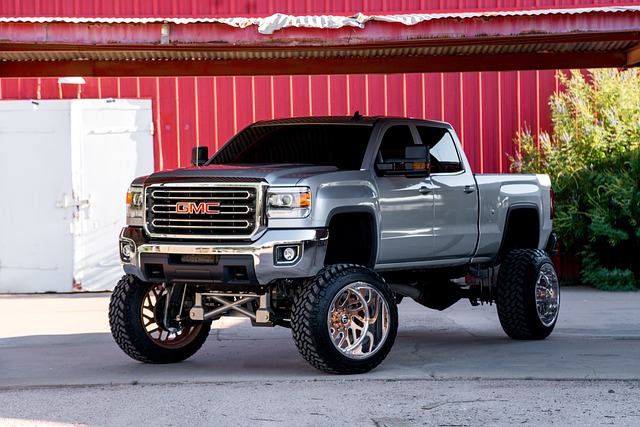
If you’re a McAllen resident with a 4×4, knowing how to perform quick disconnect repairs can save you time, money, and potential damage. This guide offers step-by-step instructions, tips for choosing the right parts, and common issues resolved through quick disconnects. From understanding basic mechanics to troubleshooting, arm yourself with these essential repair techniques for your off-road adventures.
Tips-for-4×4-Repairs-in-McCallen: Master Quick Disconnects
In the rugged landscapes of McAllen, reliable 4×4 systems are crucial for navigating challenging terrains. One often-overlooked yet vital component in these systems are quick disconnects (QDs). This guide aims to empower local drivers with knowledge on 4×4 repairs focusing specifically on QDs, ensuring your vehicle’s readiness for any off-road escapade.
Understanding Quick Disconnects: The Unsung Heroes of Your 4×4
What Are Quick Disconnects?
Quick disconnects are mechanical fittings that allow for easy and fast disconnection and reconnection of lines or components in a 4×4’s suspension system, specifically on axle assemblies. They facilitate quick maintenance checks and repairs during roadside emergencies or off-road adventures.
Why Are They Important?
-
Convenience: QDs enable swift removal and installation of axles, making routine inspections and repairs more manageable.
-
Safety: Quick disconnects minimize the risk of leaks and potential hazards associated with traditional bolting methods during disassembly.
-
Versatility: They adapt to various terrain conditions, allowing for adjustments on the go to optimize performance.
Diagnosing Common 4×4 Repair Issues Using Quick Disconnects
Before diving into repairs, understanding common problems can help you identify when QDs are the solution. Here are some typical issues:
-
Leaking Fluids: If you notice fluid leaks from your axles, QDs could be compromised or not properly sealed.
-
Axle Shaking or Noise: Uneven tire wear, loose components, or damaged QDs may cause vibration and noise while driving.
-
Difficulty in Axle Removal: Struggled disassembling axles? Corroded or seized QDs might be the culprit.
Step-by-Step Guide to 4×4 Quick Disconnect Repairs
Necessary Tools and Parts
Before beginning, ensure you have:
- New quick disconnect fittings (suitable for your vehicle)
- Appropriate socket sets and wrenches
- Lubricant for QDs (often specific to the manufacturer)
- Cleaning supplies (for corrosion removal)
- Protection gear (gloves, safety glasses)
Repair Process
-
Safety First: Ensure your vehicle is stable on a level surface. Engage the parking brake and block wheels for added security.
-
Identify QDs: Locate the quick disconnects on your axle assemblies. They are typically near the suspension components or where lines/cables attach to axles.
-
Loosen and Disconnect: Using the appropriate tool, carefully loosen and remove the QDs from their fittings. Do this one at a time for each side of the axle to avoid imbalance.
-
Inspect and Clean: Examine the QDs and fittings for any signs of damage or corrosion. Remove any debris and ensure surfaces are clean before reassembly.
-
Replace as Needed: If QDs are damaged, replace them with new ones compatible with your vehicle. Ensure proper fitment by consulting your owner’s manual or seeking expert advice.
-
Reassemble: Reattach the QDs to their fittings, tightening them securely but avoiding over-tightening. Use lubricants as recommended for smoother disassembly in the future.
-
Test and Adjust: After reassembly, test the QDs by lifting or lowering the vehicle (if possible) to ensure smooth operation. Make adjustments as necessary.
Choosing the Right Quick Disconnects: A Buyer’s Guide
Selecting appropriate QDs is crucial for seamless repairs and optimal performance. Consider these factors:
-
Vehicle Compatibility: Ensure the QDs are designed for your specific 4×4 model and year. Check part numbers and specifications against your vehicle’s manual or consult a trusted automotive parts store.
-
Material and Quality: High-quality QDs, often made from durable materials like steel or aluminum, offer better resistance to corrosion and extreme conditions.
-
Seal Type: Different sealing mechanisms include O-rings, gaskets, or special lubricated seals. Choose based on your vehicle’s requirements and climate conditions.
Common Mistakes to Avoid During Quick Disconnect Repairs
-
Over-tightening: Excessive force can damage threads and fittings, rendering QDs useless and potentially causing further problems.
-
Using Incorrect Parts: Incompatibility issues may lead to leaks or inadequate sealing, compromising your vehicle’s safety and performance.
-
Neglecting Regular Maintenance: Corrosion builds up over time, making disassembly difficult and increasing the risk of damage during repairs.
Frequently Asked Questions (FAQs)
Q: How often should I check and maintain my 4×4 quick disconnects?
A: It’s recommended to inspect QDs at least every six months or after any off-road adventures. Regular maintenance ensures optimal performance and prevents unexpected breakdowns.
Q: Can I use regular wrenches for disconnecting QDs, or do I need special tools?
A: While a standard socket set might work for simple cases, specialized quick disconnect tools ensure cleaner disassembly and are often easier to use, especially when dealing with tight or corroded fittings.
Q: What should I do if a quick disconnect is seized or damaged beyond repair?
A: In such cases, replacement is the best option. Never force a damagedQD back into place as it may cause further harm. Always choose new QDs from reputable manufacturers for safety and performance.
Conclusion
Tips-for-4×4-repairs-in-McCallen often revolve around quick disconnects, an essential component for maintaining your off-road vehicle’s integrity. By understanding the mechanics of QDs, knowing when to use them, and following proper repair techniques, you can ensure your 4×4 remains in top condition, ready for any McAllen terrain. This guide equips you with the knowledge to tackle common issues, ultimately enhancing your off-road experience.