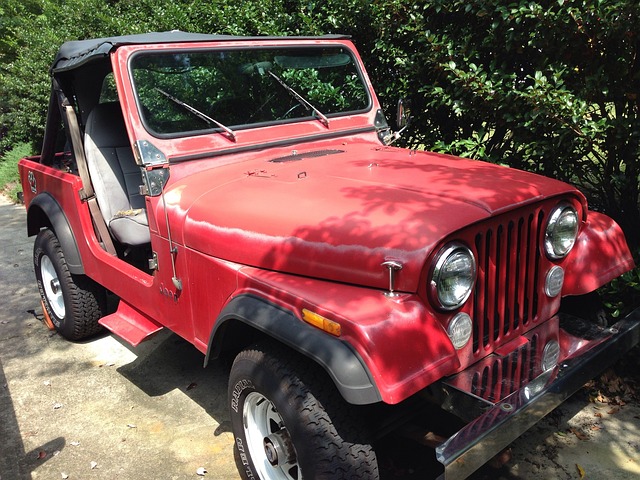
This guide provides essential tips for repairing your 4×4 vehicle’s receiver hitch in McAllen, ensuring a safe and secure towing experience. We cover identifying issues, tools needed, step-by-step repair processes, common mistakes to avoid, and maintenance advice for optimal performance.
Tips-for-4×4-Repairs-in-McAllen: A Comprehensive Guide on Receiver Hitches
In the rugged terrain surrounding McAllen, a reliable 4×4 vehicle is often a necessity. When it comes to 4×4 repairs, one critical component that deserves meticulous attention is the receiver hitch. This robust attachment point allows you to tow trailers, haulers, and other accessories securely, making it vital for off-road adventures and everyday tasks alike.
This article delves into the world of 4×4 receiver hitch repairs in McAllen, offering practical tips and insights to help you maintain your vehicle’s towing capabilities. We’ll explore everything from identifying common issues to completing the repair process with precision and safety.
Understanding Receiver Hitches: The Foundation for Secure Towing
What is a Receiver Hitch?
A receiver hitch, also known as a tow hook or trailer hitch, is a specialized mounting system that allows you to attach trailers, trucks, or other equipment to your 4×4 vehicle. It consists of a metal frame attached to the bed of your truck and a corresponding coupler on the trailer. This connection enables smooth towing while ensuring stability and safety.
Types of Receiver Hitches
In McAllen, where diverse terrains demand versatile solutions, several types of receiver hitches are available:
- Class I Hitches: Ideal for light-duty towing (up to 3,500 lbs), these hitches offer a simple, direct connection.
- Class II Hitches: Suitable for medium-duty tasks (3,500–6,000 lbs), they provide additional features like adjustable height and weight distribution.
- Class III/IV Hitches: Designed for heavy-duty towing (over 6,000 lbs), these hitches offer a more robust construction and advanced stability mechanisms.
Common Receiver Hitch Issues in McAllen’s Challenging Terrain
As you navigate the varied landscapes around McAllen, your receiver hitch may encounter several challenges, leading to potential repairs:
- Worn or Corroded Components: Constant exposure to elements like dust, moisture, and salt can cause corrosion, leading to loose connections and reduced stability.
- Misaligned Hitches: Off-road adventures can sometimes result in hits against rocks or other obstacles, causing misalignment or damage to the hitch’s mounting points.
- Overloading: Towing beyond the hitch’s rated capacity can lead to strain on components, potentially causing failure.
- Loose Connections: Regular use and vibrations can cause nuts and bolts to loosen, compromising the hitch’s security.
Pre-Repair Inspection: Identifying the Root Cause
Before diving into any 4×4 repair, a thorough inspection is crucial. For receiver hitches, this involves several key checks:
Visual Examination:
- Look for visible damage: Check for cracks, dents, or deformations in the hitch frame or coupler.
- Inspect mounting bolts: Ensure these are tight and free from corrosion. Replace any loose or damaged bolts.
- Examine electrical connections: Verify that the wiring is secure and free from breaks or exposure to elements.
Functional Testing:
- Test the locking mechanism: Ensure the hitch coupler locks securely into place.
- Check weight distribution: Use a weight scale to verify that your towing setup is balanced, especially when adding trailers or accessories.
Tools and Equipment Required for Receiver Hitch Repairs
A successful repair job demands the right tools. Assemble these essentials before beginning:
- Socket set (various sizes): For tightening or removing bolts and nuts.
- Wrenches: Both open-end and box end, in suitable sizes for your hitch components.
- Impact wrench: A powerful tool that can help loosen stubborn bolts quickly.
- Pliers: For gripping and turning parts, especially in tight spaces.
- Penetrating oil: To break down corrosion on hard-to-reach bolts.
- New bolts, nuts, and washers: Replace any damaged or corroded components.
- Grease (if applicable): Some hitches may require greasing for smooth operation.
Step-by-Step Receiver Hitch Repair Guide
1. Remove the Hitch
- Safety First: Apply the parking brake and chock wheels to ensure your 4×4 doesn’t move during the process.
- Uncouple the hitch: Release the latch mechanism on the trailer coupler, then carefully pull it away from the truck bed.
- Detach electrical connectors (if present): Disconnect any wires or sensors attached to the hitch.
- Remove bolts: Using your tools, unscrew and remove the bolts securing the hitch to the truck bed. Place them in a safe, organized manner.
2. Inspect and Prepare Components
- Examine damaged parts: Identify worn or corroded components that require replacement.
- Clean corrosion: Apply penetrating oil if needed to loosen severely corroded bolts. Use a brush or wire wheel (if using power tools) for safety.
- Check bolt threads: Ensure that the threads on both the hitch and mounting points are clean, free from damage, and in good condition.
3. Replace Damaged Components
- Install new bolts/washers: Thread new bolts through the holes, using washers as needed. Tighten them securely but avoid over-tightening to prevent stripping.
- Replace the coupler (if necessary): If the coupler is damaged beyond repair, install a new one, ensuring it’s properly aligned and secure.
- Reattach electrical connectors: Reconnect any disconnected wires or sensors.
4. Reassemble the Hitch
- Position the hitch: Carefully align the hitch with its mounting points on the truck bed.
- Secure with bolts: Tighten the bolts in a crisscross pattern, using your torque wrench to achieve the recommended tightening specification (consult your vehicle’s manual).
- Recheck connections: Verify that all nuts and bolts are tight, especially around high-stress areas like the hitch ball and pin.
Common Mistakes to Avoid During Receiver Hitch Repairs
Avoiding these pitfalls ensures a successful repair and optimizes safety:
- Over-tightening Bolts: Be cautious not to over-tighten bolts, as it can lead to damage or stripping. Always follow the manufacturer’s recommended torque specifications.
- Ignoring Corrosion: Address corrosion promptly with appropriate cleaning agents or penetrating oils to prevent further damage.
- Neglecting Alignment: Ensure proper alignment of the hitch and trailer coupler for smooth towing and stability. Misalignment increases wear and can compromise safety.
- Skipping Safety Checks: Never overlook functional testing after repairs, especially weight distribution checks and electrical connections.
Maintenance Tips for Optimal Receiver Hitch Performance
Proactive maintenance ensures your receiver hitch remains in top condition:
- Regular Cleaning: Use a soft brush or cloth to remove dirt, dust, and debris from the hitch and its components, preventing corrosion.
- Lubricate If Applicable: Some hitches may benefit from periodic lubrication (check your owner’s manual for guidance).
- Visual Inspections: Perform routine visual checks for wear, tear, or damage, addressing issues promptly.
- Weight Capacity Awareness: Always tow within the hitch’s rated capacity to prevent strain on components.
- Professional Maintenance: Schedule periodic inspections and maintenance by a qualified mechanic, especially after extreme off-road conditions.
Conclusion: Keep Your 4×4 Rolling Strong with Expert Receiver Hitch Repairs
Effectively repairing your 4×4’s receiver hitch in McAllen is crucial for safe and reliable towing. By understanding the intricacies of these robust components, identifying common issues early on, and following proper repair techniques, you can ensure your vehicle continues to conquer diverse terrains with confidence. Remember, regular maintenance plays a vital role in keeping your 4×4’s receiver hitch in top shape, allowing you to explore McAllen’s surrounding landscapes with peace of mind.