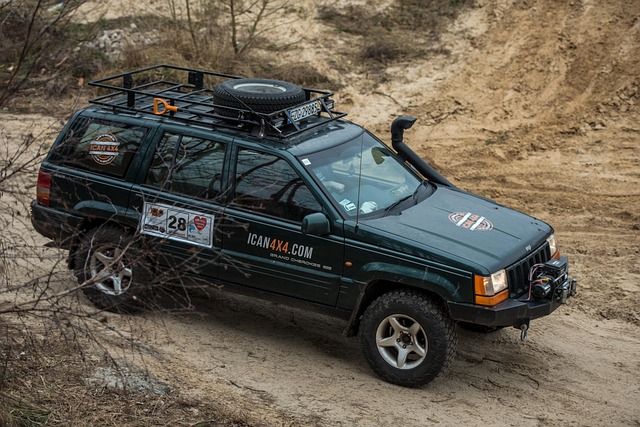
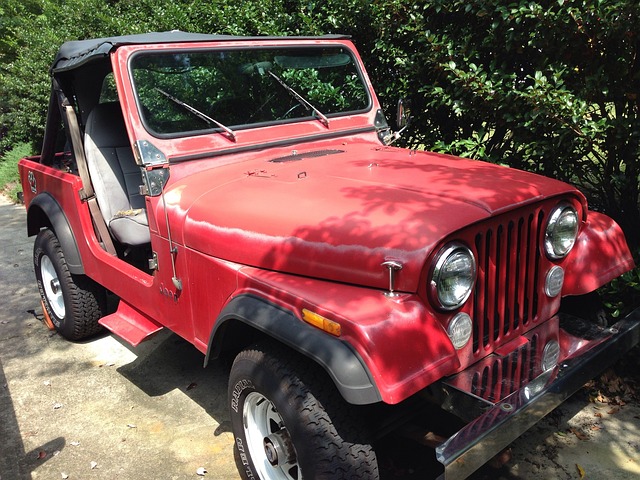
Are you an McAllen resident looking to enhance your off-road adventures? This guide offers expert tips for navigating 4×4 repairs, with a focus on the transformative power of truck lift kits. Discover the benefits, selection considerations, installation best practices, and maintenance advice to ensure your vehicle is optimized for rugged terrain.
Introduction
McAllen, located in the heart of Texas, is renowned for its vibrant culture and diverse landscapes, from sprawling ranches to challenging off-road trails. For local enthusiasts, maintaining a reliable and capable 4×4 is essential to explore these varied terrains. This comprehensive guide, centered around tips for 4×4 repairs in McAllen, delves into a specific upgrade that can elevate your off-road prowess: truck lift kits.
Understanding Truck Lift Kits: Unlocking Off-Road Potential
What are Truck Lift Kits?
Truck lift kits are comprehensive systems designed to raise and enhance the suspension of pickup trucks, providing increased ground clearance and a more aggressive off-road capability. These kits typically include components like elevated springs, shock absorbers, control arms, and sometimes even steering upgrades. The primary goal is to allow the vehicle to navigate over obstacles, rocks, and uneven terrain with greater ease and stability.
Benefits of Installing a Lift Kit
Investing in a truck lift kit offers several advantages for off-road enthusiasts:
- Improved Ground Clearance: Increased height allows for better traversal of deep ruts, tall obstacles, and steep inclines.
- Enhanced Capability: 4x4s with lift kits can tackle more challenging terrain, opening up new trails and opportunities for exploration.
- Customization Opportunities: Lift kits often serve as a foundation for further modifications, such as larger tires or winches.
- Increased Vehicle Control: A raised suspension provides better control and stability during off-road driving, reducing the risk of rollovers.
Tips for Choosing the Right Truck Lift Kit for Your 4×4
Selecting the ideal lift kit is crucial for ensuring optimal performance and compatibility with your vehicle. Here’s a step-by-step guide to help McAllen residents make an informed decision:
1. Identify Your Vehicle Make and Model
Start by identifying the specific year, make, and model of your 4×4. Different trucks have unique suspension designs, and lift kits are engineered for specific models. Check your vehicle’s owner manual or consult online resources to find compatible options.
2. Determine Your Off-Road Goals
Consider the type of off-road driving you intend to do most frequently. Do you primarily explore local trails or venture into remote wilderness areas? Different lift kits cater to various terrain challenges, from mild off-road trails to extreme rock crawling. Understanding your needs will help guide your selection.
3. Assess Lift Height Requirements
Lift kits are available in different lift heights, typically measured in inches. The required lift height depends on the terrain you plan to conquer. For moderate trail riding, a 2-4 inch lift may suffice, while more extreme off-roading might demand lifts of 6 inches or more.
4. Consider Compatibility with Tires and Wheels
Lift kits can impact your tire and wheel choices. Ensure that the kit you select allows for the size and clearance needed for your desired tires. Some lift kits come with specific tire recommendations to maximize performance and avoid damage.
5. Evaluate Kit Components and Quality
Not all truck lift kits are created equal. Examine the components included in each kit, focusing on spring quality, shock absorbers, and mounting hardware. Research reputable manufacturers known for their durable and reliable products. Online reviews from fellow McAllen off-road enthusiasts can be invaluable in this regard.
Installation: Getting Your 4×4 Ready for Action
Proper installation is paramount to ensure the safety and effectiveness of your truck lift kit. Here’s a breakdown of the process, along with tips for success:
Step-by-Step Installation Guide
- Prepare Your Vehicle: Park on a level surface, engage parking brake, and chock wheels for safety during installation.
- Remove Factory Suspension Components: This may involve removing stock springs, shocks, and control arms. Follow the kit’s instructions carefully.
- Install Lift Springs and Shocks: Position new springs and shocks according to the kit’s specifications, ensuring proper alignment and secure mounting.
- Reattach Control Arms and Other Components: Remount the control arms and any additional parts included in your lift kit. Tighten all bolts securely.
- Test and Adjust: After installation, test each component for proper functioning and make adjustments as needed. Ensure that all suspensions operate smoothly and correctly.
Tips for Successful Installation
- Seek Professional Assistance: If you’re unsure about any part of the installation process, consult a trusted mechanic or off-road specialist in McAllen. They can provide guidance and ensure the job is done right.
- Use Proper Tools: Invest in high-quality tools suitable for the task to avoid damage during installation.
- Follow Manufacturer Instructions: Each lift kit comes with detailed instructions specific to its design. Adhering to these guidelines ensures optimal results.
- Safety First: Prioritize safety throughout the process. Never work under a raised vehicle, and ensure all tools and parts are secured.
Maintenance and Care for Your Lifted 4×4
Proper maintenance is essential to keep your truck lift kit functioning optimally and extend the life of your 4×4. Here’s what you need to know:
Regular Inspection
- Visual Checks: Regularly inspect your suspension components for signs of wear, damage, or loose bolts. Look for leaks in the shock absorbers and check tire pressure.
- Test Drive: Take your 4×4 on varied terrain to assess its performance. Pay attention to handling, stability, and overall ride quality.
Maintenance Tips
- Lubrication: Keep all moving parts lubricated as per the manufacturer’s recommendations. This includes shock absorbers and any other components that require lubrication.
- Tire Care: Monitor tire wear and maintain proper inflation pressure. Lift kits can affect tire clearance, so regular checks are crucial.
- Suspension Adjustment: Periodically check and adjust suspension settings, especially after extreme off-road conditions or major terrain changes.
- Professional Maintenance: Schedule routine maintenance with a qualified mechanic to ensure all components function optimally.
Advanced Upgrades: Taking Your 4×4 to the Next Level
Once your truck lift kit is installed and properly maintained, you might consider further enhancing your off-road prowess through additional upgrades:
1. Larger Tires and Wheels
Fitting larger tires and wheels can significantly improve traction, ground clearance, and overall performance on challenging terrain. Choose tires suited to the type of off-road driving you do most often.
2. Winch Installation
A powerful winch adds versatility and rescue capabilities to your 4×4. It can be invaluable when navigating extremely difficult terrain or assisting other vehicles. Ensure proper mounting and wiring for safe operation.
3. Differential Upgrades
Upgrading differentials can enhance traction and control, especially in low-range gear, which is crucial for steep ascents and descents. Locking differentials are a popular choice among off-road enthusiasts.
Conclusion: Unleash Your 4×4’s True Potential
Tips for 4×4 repairs in McAllen, with a focus on truck lift kits, offer a powerful path to enhancing your off-road experience. By choosing the right kit, installing it properly, and maintaining your vehicle, you can confidently tackle McAllen’s diverse landscapes with increased capability and control. Whether you’re a seasoned off-roader or just starting, investing in a truck lift kit is an exciting step towards unlocking your 4×4’s true potential.
Frequently Asked Questions (FAQs)
-
Q: How much does it cost to install a truck lift kit?
A: Installation costs can vary widely depending on the kit’s complexity and your location. On average, expect to pay between $500 and $2000 for labor, not including the cost of the kit itself. -
Q: Can I install a lift kit myself, or do I need a professional?
A: Simple lift kit installations can sometimes be done by enthusiasts with basic mechanical skills. However, for complex systems or if you lack experience, it’s strongly recommended to consult a professional mechanic in McAllen. -
Q: How often should I maintain my lifted 4×4?
A: Regular maintenance is crucial. Check your vehicle every few months, focusing on tire pressure, suspension components, and lubrication. Annual or bi-annual visits to a qualified mechanic are also recommended for a thorough inspection. -
Q: Are there any legal considerations when installing a lift kit?
A: While many modifications are legal, check with local regulations in McAllen. Some areas may have restrictions on vehicle height or off-road usage. Ensure your modifications comply with all relevant laws to avoid fines or legal issues. -
Q: Can I use my lifted 4×4 on the highway?
A: Lifted 4x4s are generally safe for highway driving, but be mindful of increased roll stability and potential noise levels from larger tires. Always follow local traffic laws regarding vehicle modifications.