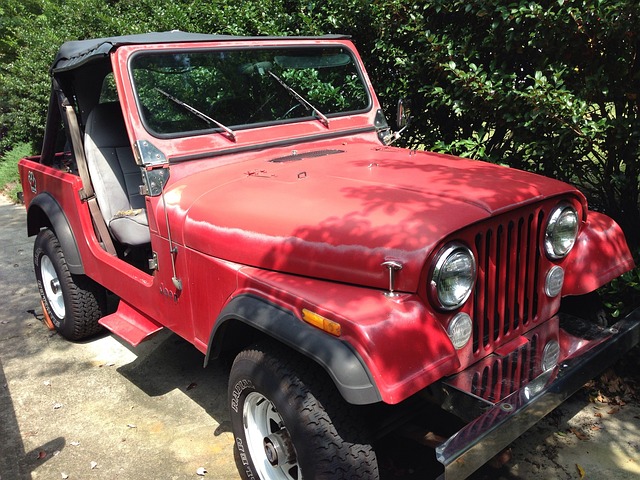
This guide offers expert advice on tackling common 4×4 repairs in McAllen, with a special focus on understanding and maintaining tow hooks—essential components for off-road adventures. You’ll discover step-by-step instructions, best practices, and tips to ensure your vehicle is reliable and safe, whether navigating rough terrain or towing heavy loads.
Introduction: Unlocking the Potential of Your 4×4 in McAllen
McAllen, with its diverse landscape and adventurous spirit, is a haven for 4×4 enthusiasts. However, owning a 4×4 isn’t just about the thrill of off-roading; it comes with responsibilities, particularly when it comes to regular maintenance and repairs. This article delves into essential tips for managing your 4×4 repairs in McAllen, emphasizing the critical yet often overlooked aspect of tow hooks.
Understanding Tow Hooks: The Unseen Heroes of Your 4×4
What Are Tow Hooks?
Tow hooks are robust metal components strategically mounted to the front or rear of your 4×4 vehicle. They serve multiple purposes, primarily as a means for towing and securing trailers, SUVs, or other vehicles during transportation or off-road recovery. In McAllen’s varied terrain, reliable tow hooks can make all the difference between a successful expedition and a frustrating breakdown.
Types of Tow Hooks
Tow hooks come in various types, each designed for specific applications:
-
Front Tow Hooks: Typically mounted on the front bumper or grille, these hooks are ideal for light towing and recovery assistance.
-
Rear Tow Hooks: Found on the rear of the vehicle, they are suitable for towing larger trailers and offer better weight distribution.
-
Side Mounts: These hooks provide flexibility, allowing you to tow from the sides, useful in tight spaces or specialized applications.
Importance of Regular Inspection
Regularly inspecting your tow hooks is crucial for several reasons:
-
Safety: Weak or damaged hooks can fail during towing, leading to hazardous situations.
-
Performance: Properly maintained hooks ensure efficient towing and reduced strain on your vehicle’s engine and suspension.
-
Reliability: Regular checks identify issues early, preventing costly breakdowns during off-road excursions.
Tips for 4×4 Repairs in McAllen: Tow Hooks and Beyond
1. Preventive Maintenance: The Key to Avoiding Repairs
-
Regular Cleaning: Dirt and debris can weaken hooks over time. Use a wire brush and degreaser to clean them regularly, removing any buildup.
-
Inspect for Wear: Check for signs of rust, pitting, or bending. Replace worn hooks immediately to prevent failure under stress.
-
Lubrication: Apply a protective coating of lubricant to reduce corrosion and ensure smooth operation of hook mechanisms.
2. Tow Hook Installation and Upgrades
-
Proper Mounting: Ensure hooks are securely mounted using the manufacturer’s recommended installation procedures, including torque specifications for bolts.
-
Upgrading for Capacity: If you frequently tow heavy loads or engage in extreme off-roading, consider upgrading to heavier-duty tow hooks designed for increased capacity.
-
Custom Fit: Consult with local McAllen experts to customize tow hook systems tailored to your vehicle and towing needs.
3. Troubleshooting Common Tow Hook Issues
Problem: Loose or Vibrating Hooks
Solution: Check the mounting bolts for tightness. Use a torque wrench if necessary to ensure they are securely fastened. Vibrations can indicate loose connections, which should be addressed promptly.
Issue: Corroded or Rusty Hooks
Remedy: Remove corroded hooks and clean the mounting surfaces thoroughly. Apply rust-preventative treatments and consider using stainless steel hooks for areas prone to moisture.
4. Towing Safety Guidelines
-
Load Distribution: Always ensure an even weight distribution when towing to avoid excessive strain on your 4×4’s components, especially the tow hooks.
-
Check Vehicle Load Capacity: Never exceed your vehicle’s recommended towing capacity. Overloading can lead to severe safety hazards and potential damage.
-
Securely Fasten Loads: Use proper tying down techniques and equipment to prevent cargo from shifting during transport.
Frequently Asked Questions (FAQs)
Q: How often should I inspect my tow hooks?
A: It’s advisable to perform a thorough inspection of your tow hooks at least once every 6 months or after any extreme off-road adventures. Regular use and exposure to harsh conditions can accelerate wear and tear.
Q: Can I replace front and rear tow hooks separately?
A: While it’s possible, replacing them separately isn’t generally recommended. It’s best to inspect and replace both sets of hooks simultaneously to ensure equal weight distribution and optimal performance.
Q: What should I do if my tow hook breaks while towing?
A: Safety is paramount. If a tow hook breaks during towing, immediately pull over to a safe location. Assess the damage and, if necessary, contact a roadside assistance service or a local McAllen auto repair shop for guidance and assistance.
Conclusion: Mastering 4×4 Repairs in McAllen with Tow Hooks as a Foundation
In the world of 4x4s, maintaining your vehicle is an investment in adventure and safety. By focusing on tow hooks—a critical component often overlooked—you empower yourself to tackle repairs confidently. This guide offers practical tips and insights tailored for McAllen’s unique challenges, ensuring you’re prepared for any off-road endeavor or towing task. Remember, a well-maintained 4×4 is a safe and reliable companion for all your outdoor adventures.