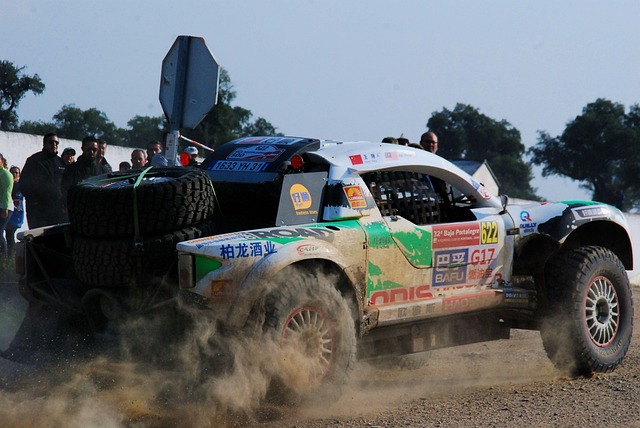
In this article, we delve into the world of 4×4 repairs in McAllen, specifically focusing on snatch blocks—essential components that enhance your off-road capabilities. We’ll explore what snatch blocks are, their significance in 4×4 vehicles, and provide a step-by-step guide to installing and maintaining them effectively. Whether you’re an experienced off-roader or just starting, these tips will help ensure your 4×4 is ready for any challenge.
Introduction: Tips-for-4×4-Repairs-in-McAllen
When it comes to navigating rough terrains, few vehicles can match the versatility and power of a well-maintained 4×4. In McAllen, where off-road enthusiasts gather, ensuring your 4×4 is in top condition is crucial. Among the many components that contribute to its performance, snatch blocks stand out as vital pieces for enhancing traction and control during challenging drives.
This guide offers practical tips on tips-for-4×4-repairs-in-McAllen, with a particular focus on understanding and working with snatch blocks. We’ll break down the basics, installation processes, and maintenance routines to empower you in keeping your off-road machine ready for action.
Understanding Snatch Blocks: The Basics
What Are Snatch Blocks?
Snatch blocks are specialized pulleys designed to simplify the process of attaching and detaching winches or other towing equipment to your 4×4. They serve as a crucial link between your vehicle’s recovery system and the load you’re attempting to pull, providing enhanced control and safety.
Why Are Snatch Blocks Important?
-
Improved Traction: By allowing precise adjustments in line and tension, snatch blocks enable better grip on uneven surfaces, making them ideal for extricating vehicles from challenging situations.
-
Reduced Strain: They distribute the load evenly, reducing the strain on your vehicle’s recovery system, including cables or chains.
-
Versatility: Snatch blocks accommodate various winch types and configurations, ensuring you have the flexibility to adapt to different off-road scenarios.
Types of Snatch Blocks
Snatch blocks come in a variety of styles, each suited for specific needs:
1. Standard Snatch Blocks
These are the most common types, featuring a single sheave (wheel) through which ropes or cables pass. They offer basic functionality and are suitable for light-to-moderate towing applications.
2. Multi-Sheave Snatch Blocks
With two or more sheaves, these blocks provide smoother operation and increased capacity, making them ideal for heavier loads and demanding conditions.
3. Hydraulic Snatch Blocks
For the ultimate in control and power, hydraulic snatch blocks use pressurized fluid to assist with lifting, providing lightning-fast response times and exceptional performance in extreme conditions.
Installing Snatch Blocks: Step-by-Step Guide
A well-installed snatch block is key to maximizing its benefits. Here’s a detailed breakdown of the process:
Preparation
-
Assess Your Needs: Determine your towing requirements, including the weight and type of loads you’ll be pulling. This guides your choice of snatch block size and capacity.
-
Choose the Right Location: Identify an appropriate mounting point on your 4×4, ensuring it’s sturdy and can support the weight of the snatch block and any attached equipment.
Installation
-
Select the Snatch Block: Based on your assessment, choose a snatch block that matches or exceeds your expected load capacity.
-
Mounting: Securely attach the snatch block to your vehicle’s mounting point using provided hardware (bolts, brackets). Ensure all bolts are tightly fastened according to the manufacturer’s specifications.
-
Cable Attachment: Connect your winch cable or chain to the snatch block, ensuring a secure fit. Use appropriate connectors and follow safety guidelines for tensioning.
-
Testing: Once installed, test the system by lifting a known weight to ensure smooth operation and correct tension.
Maintaining Snatch Blocks
Regular maintenance ensures your snatch blocks remain reliable under extreme conditions:
-
Inspect Regularly: Check for any signs of wear, corrosion, or damage during each vehicle inspection. Replace worn components promptly.
-
Lubricate Moving Parts: Apply lubricant to the block’s moving parts (sheaves, bearings) to minimize friction and prolong their lifespan.
-
Tighten Bolts: Periodically recheck and tighten any bolts that secure the snatch block to ensure stability.
-
Clean and Store Properly: After use, clean the snatch block and store it in a dry, protected location to prevent corrosion.
Troubleshooting Common Snatch Block Issues
Even with proper care, issues can arise. Here’s how to tackle them:
-
Slippage: If your snatch block shows signs of slippage during operation, inspect the cable or chain for wear and ensure it’s properly lubricated. Check block bearings for excessive play.
-
Noisiness: Unusual noises may indicate worn components, loose fittings, or damage. Inspect the block and associated hardware, replacing as needed.
-
Difficulty in Operation: If the snatch block is hard to raise or lower, check cable tension, lubrication levels, and any adjustable components for adjustments.
Frequently Asked Questions (FAQs)
Q: How often should I replace my snatch blocks?
A: Regular inspection is key. Replace snatch blocks if they show signs of significant wear, corrosion, or damage. Under heavy use, expect to replace them every few years.
Q: Can I use a standard snatch block for heavy-duty towing?
A: While standard blocks are suitable for light tasks, for heavier loads, consider multi-sheave or hydraulic options that offer greater capacity and smoother operation.
Q: How do I know if my snatch block is properly mounted?
A: Ensure all mounting bolts are tight, and the block is secure and level. Test it by lifting a weight to verify its stability and responsiveness.
Conclusion: Empowering Your 4×4 with Snatch Blocks
In the realm of tips-for-4×4-repairs-in-McAllen, understanding and maintaining snatch blocks stands as a cornerstone for off-road enthusiasts. By equipping your 4×4 with these versatile pulleys, you gain enhanced control and safety during challenging drives. Regular care and prompt addressing of any issues will ensure your snatch blocks continue to serve you well, making every off-road adventure more secure and enjoyable.