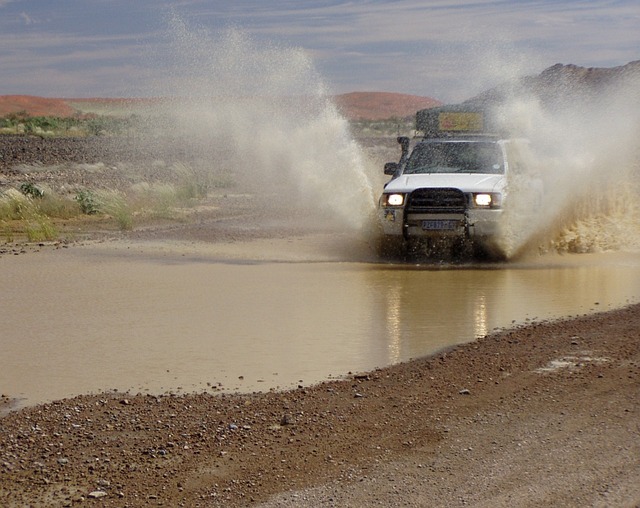
McAllen residents and off-road enthusiasts, looking to maintain your 4x4s? This guide offers expert tips on hitch balls, common repairs, and essential knowledge for keeping your vehicles in peak condition. From selection to installation, we cover it all, ensuring you’re prepared for any road ahead.
Introduction:
In the heart of Texas, McAllen stands as a vibrant city with a rich off-road culture. For those navigating rugged terrain in their 4x4s, understanding essential repairs and upgrades is crucial. This article delves into the world of 4×4 maintenance, focusing on a key component: hitch balls. We’ll explore tips and techniques to ensure your vehicle is road-ready, offering valuable insights for McAllen residents and enthusiasts.
Understanding Hitch Balls: A Foundation for 4×4 Repairs
What are Hitch Balls?
Hitch balls, also known as trailer hitches or ball mounts, are critical accessories for 4x4s, enabling the attachment of trailers, trucks, or other vehicles. They serve as a secure connection point, allowing you to tow additional loads safely. These components come in various sizes and designs, catering to different vehicle types and towing needs.
Why are they Essential for 4×4 Repairs?
During 4×4 repairs in McAllen, addressing hitch ball issues is vital for several reasons:
- Towing Capacities: A correctly fitted hitch ball ensures your 4×4 meets its towing specifications, be it for a weekend camping trip or hauling heavy equipment.
- Safety: Improperly installed or damaged hitch balls can compromise the safety of both your vehicle and trailer during transit.
- Versatility: Hitch balls open up options for various accessories, such as cargo carriers, bike racks, or even off-road recovery devices.
Tips for Choosing the Right Hitch Ball
Factors to Consider:
Selecting a suitable hitch ball involves evaluating several factors specific to your 4×4 and towing requirements. Here’s a guide to help you make an informed decision:
Vehicle Compatibility:
- Make and Model: Ensure the hitch ball is compatible with your 4×4’s year, make, and model. Check the vehicle’s owner manual or consult a professional mechanic for recommended options.
- Towing Capacity: Every vehicle has a specific towing limit. Choose a hitch ball that aligns with your 4×4’s towing capacity to avoid overloading.
Hitch Class and Size:
- Hitch Classes: Hitch balls come in different classes, typically classified by the tongue weight they can support (e.g., Class I, II, III). Select a class that matches or exceeds the recommended tongue weight of your trailer.
- Size and Shape: Consider the ball’s diameter and shape, ensuring they fit seamlessly into your 4×4’s receiver hitch. Standard sizes include 2", 3", and 4" diameters.
Material and Durability:
- Material: Hitch balls are typically made from steel or aluminum. Steel offers superior strength but may require more maintenance, while aluminum is lightweight and corrosion-resistant.
- Quality and Construction: Opt for high-quality hitch balls with robust construction to withstand the rigors of off-road adventures. Look for welds that are secure and even.
Installation: A Step-by-Step Guide
Tools and Safety Precautions:
Before installing a new hitch ball, gather the necessary tools and prioritize safety:
- Required Tools: You’ll need a jack, jack stands, a socket wrench set, and possibly a mallet. Ensure you have proper lifting equipment for safety.
- Safety First: Work on a level surface and engage your parking brake. Use wheel chocks for added security, especially if the vehicle is elevated.
Installation Steps:
- Remove Existing Hardware: If replacing an old hitch ball, carefully remove the existing hardware using the appropriate tools. Ensure all bolts and components are accounted for.
- Prepare the Receiver Hitch: Clean the receiver hitch on your 4×4 to ensure a secure fit. Check for any signs of corrosion or damage, and address them before installation.
- Align and Insert: Position the new hitch ball carefully into the receiver hitch, ensuring proper alignment. Tap it gently with a mallet if needed, but avoid excessive force.
- Secure with Bolts: Tighten the bolts securely using a socket wrench, following the manufacturer’s recommended torque specifications. Cross-thread or over-tightening should be avoided.
- Test and Adjust: Lower the vehicle from the jack stand and test the hitch ball’s stability. Ensure it locks into place securely when connected to a trailer. Make adjustments as required.
Common Hitch Ball Issues and Troubleshooting
Identifying Problems:
Despite proper installation, hitch ball issues can arise during 4×4 repairs in McAllen. Here are some common problems and troubleshooting tips:
- Loose Connection: If your trailer wiggles or pulls away from the vehicle, the hitch ball may not be securely fastened. Double-check the bolt torque and consider using lock nuts for added security.
- Corrosion: Rust can weaken the hitch ball’s connection. Regularly inspect and clean the hardware, applying corrosion-inhibiting products to prevent damage.
- Damaged Receiver Hitch: Over time, the receiver hitch on your 4×4 may become damaged or worn, leading to a loose ball mount. Inspect it for signs of wear and consider replacement if necessary.
Upgrading and Accessories: Expanding Your 4×4’s Capabilities
Customization Options:
Once you’ve addressed basic hitch ball needs, explore customization options to enhance your 4×4’s capabilities:
- Custom Ball Mounts: Consider custom-fabricated ball mounts for unique towing requirements or off-road adventures. Local fabricators in McAllen can create specialized mounts tailored to your needs.
- Accessory Mounts: Hitch balls provide opportunities for various accessory installations, such as light bars, recovery points, or additional cargo carriers.
- Smart Towing Solutions: Invest in smart towing technology, like wireless tow ball sensors, for added convenience and safety when towing.
Conclusion:
In the world of 4×4 repairs in McAllen, hitch balls are an essential component that deserves careful consideration and expert installation. By understanding your vehicle’s requirements, selecting the right hitch ball, and maintaining it properly, you can unlock the full potential of your off-road machine. Remember, whether tackling routine maintenance or complex upgrades, seeking professional advice is always beneficial. Happy trails!