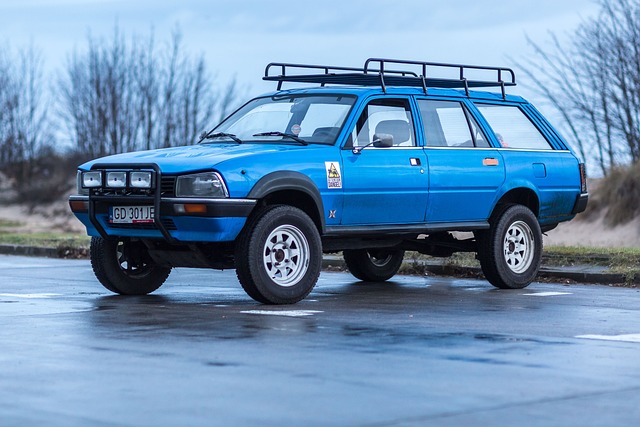
In this detailed guide, we explore essential tips for tackling 4×4 repairs in McAllen, focusing on hitch balls as a critical component. We’ll walk you through the importance of proper installation, common issues, maintenance practices, and when to seek professional help. With these insights, you’ll ensure your 4×4 is ready for any road ahead.
Introduction:
For off-road enthusiasts in McAllen, Texas, having a well-maintained 4×4 is essential for navigating challenging terrains. Among the many components that contribute to its performance, the hitch ball stands out as a crucial link between your vehicle and trailer or towing equipment. This article delves into the world of 4×4 repairs, specifically focusing on tips-for-4×4-repairs-in-McAllen related to hitch balls. We’ll cover everything from understanding their function to troubleshooting common problems and offering maintenance advice.
Understanding Hitch Balls: The Basic Function
What is a Hitch Ball?
A hitch ball, also known as a trailer hitch or tow ball, is a metal component attached to the rear of your 4×4 vehicle. It serves as the primary connection point when towing trailers, caravans, or other types of equipment. Hitch balls come in various sizes and designs, each suited for specific towing capacities and vehicle types.
Why are Hitch Balls Important?
- Towing Capacity: The ball’s design and strength directly impact your 4×4’s towing capability. Properly fitted hitch balls ensure a secure connection, allowing you to tow heavy loads safely.
- Stability: During towing, hitch balls distribute the load evenly, maintaining stability and preventing vehicle sway.
- Compatibility: Different hitch ball sizes and types fit specific trailer couplers, ensuring a seamless connection for various towing setups.
Installation and Maintenance: Keeping Your Hitch Ball in Top Shape
Proper Installation Tips:
- Match Vehicle and Hitch Ball Specifications: Always ensure the hitch ball is compatible with your 4×4’s make, model, and year. Consult your vehicle’s owner manual or seek expert advice if unsure.
- Follow Manufacturer Instructions: Refer to the manufacturer’s guidelines for installation. This ensures a secure fit and proper alignment.
- Use High-Quality Hardware: Opt for sturdy bolts and washers that meet the recommended torque specifications. Proper tightening is crucial for safety.
- Positioning: Ensure the hitch ball is centered and level with the vehicle’s rear. Misalignment can lead to uneven wear and reduced stability.
Regular Maintenance Practices:
- Inspect for Wear and Tear: Regularly examine your hitch ball for signs of damage, rust, or deformation. Replace any worn components immediately.
- Lubrication: Apply a suitable lubricant to the ball’s shank and pins to prevent corrosion and facilitate easier trailer coupling.
- Tighten Bolts: Periodically check and tighten the bolts holding the hitch ball in place. Over time, vibrations can cause them to work loose.
- Clean and Rust Prevention: Keep the hitch ball clean and free from debris. Apply rust inhibitors or protective coatings to extend its lifespan.
Common Hitch Ball Issues and Troubleshooting:
1. Hitch Ball Worn or Deformed?
- Symptoms: Noticeable deformation, cracks, or excessive play in the ball indicate wear.
- Solution: Replace the hitch ball with a new one of the correct size and strength rating. Ensure proper alignment during installation.
2. Difficult Trailer Coupling:
- Potential Causes: Corrosion, damaged pins, or improper lubrication.
- Troubleshooting Steps:
- Inspect for corrosion and clean or lubricate as needed.
- Check pin condition and replace if worn.
- Ensure the trailer coupler is in good shape and properly aligned with the hitch ball.
3. Towing Safety Concerns:
- Safety First: If you suspect any issues with your hitch ball or towing setup, don’t take risks. Consult a professional for an inspection before towing.
- Common Red Flags: Uneven tire wear, vehicle sway, or trailer misalignment can indicate problems with the hitch ball or tow setup.
When to Seek Professional Assistance:
Not all 4×4 repairs are DIY projects, especially when it comes to critical components like hitch balls. Here are scenarios where professional help is recommended:
- Complex Installation: If your vehicle has unique requirements or you’re installing a specialized hitch ball, consult an expert.
- Structural Damage: In cases of accidents or severe impact, a professional mechanic can assess structural integrity and recommend repairs.
- Regular Towing Concerns: Persistent towing issues may indicate problems beyond the hitch ball, requiring a comprehensive inspection.
Conclusion:
Maintaining your 4×4’s hitch ball is a crucial aspect of ensuring safe and efficient towing in McAllen or any off-road adventure. By understanding its function, following proper installation and maintenance practices, and knowing when to seek professional help, you can maximize the performance and longevity of this critical component. Remember, tips-for-4×4-repairs-in-McAllen are essential for every enthusiast looking to conquer diverse terrains with confidence.