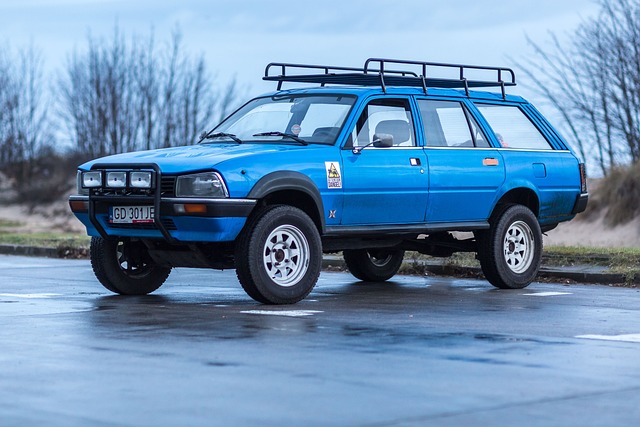
If you’re a McAllen resident with a 4×4, knowing how to perform basic repairs can save you time and money. This article focuses on one crucial component: coilovers. You’ll learn about the importance of coilovers in 4×4 suspensions, common issues they face, and step-by-step tips for repairing or replacing them, ensuring a smoother and safer ride.
Introduction: Why Coilovers Matter in McAllen’s 4x4s
In the rugged terrain of McAllen, Texas, where diverse landscapes demand robust off-road capabilities, your 4×4 relies on several key components to navigate smoothly. Among these, coilovers stand out as vital elements of your vehicle’s suspension system.
Coilovers, also known as spring packs, combine a shock absorber and coil spring into a single unit, offering precise control over ride height and damping. In McAllen’s mix of city driving and off-road trails, reliable coilovers ensure:
- Improved Handling: They provide better control and stability during both on-road and off-road driving.
- Enhanced Safety: Coilovers help maintain optimal tire contact with the road surface, improving traction and reducing the risk of accidents.
- Reduced Wear and Tear: They absorb impact and stress from uneven terrain, protecting other suspension components from premature wear.
This article is your go-to guide for understanding and addressing coilover issues in your 4×4, specifically tailored to McAllen’s unique driving conditions. We’ll delve into common problems, provide step-by-step repair instructions, and offer valuable tips for maintaining these crucial suspension components.
Common Coilover Issues in McAllen 4x4s
Identifying potential problems early on is key to preventing costly repairs. Here are some common coilover issues you might encounter in McAllen:
- Leaks: Oil leaks from seals or bushings can lead to reduced damping and uneven ride height.
- Rust and Corrosion: The salty air and humidity in McAllen can accelerate rust on metal parts, compromising structural integrity.
- Worn or Broken Springs: Constant use on rough terrain can cause springs to fatigue and fail, leading to a collapsed suspension.
- Damaged Shock Absorbers: Impacts from potholes or off-road obstacles can damage shock absorbers, affecting ride quality and safety.
Diagnosing Coilover Problems: A Step-by-Step Guide
Before attempting any repairs, correctly identifying the problem is crucial. Follow these steps to diagnose coilover issues:
-
Visually Inspect: Examine your vehicle for signs of leaks, corrosion, or damage around the coilovers. Look for bulging springs or oil seepage.
-
Check Ride Height: Use a wheel aligner or measuring tape to compare ride heights on all four wheels. Uneven heights can indicate worn or damaged coils.
-
Listen for Noises: Hissing or banging sounds during suspension movement suggest potential problems with shock absorbers or springs.
-
Test Drive: Pay close attention to how your vehicle handles and responds over bumps and in turns. A noticeable difference from normal handling could point to coilover issues.
Repairing or Replacing Coilovers: A Step-by-Step Guide
If you’ve identified a problem with your coilovers, don’t panic! Many repairs can be done with basic tools and some mechanical know-how. Here’s a breakdown of the process:
Tools You’ll Need:
- Jack and jack stands
- New coilovers (if replacing)
- Oil (if refilling or topping up)
- Sealant (for leaks)
- Wrenches and sockets
- Socket set
- Pliers
Common Repair Scenarios:
Scenario 1: Leaking Coilover Seals
- Step 1: Park on a level surface, engage the parking brake, and chock wheels for safety.
- Step 2: Lower the vehicle using a jack until it’s secure on jack stands.
- Step 3: Drain excess oil from the coilover body.
- Step 4: Inspect seals for cracks or damage. Replace them if necessary, using new seals and sealant as per manufacturer instructions.
- Step 5: Reassemble and tighten all components. Refill with appropriate oil to the correct level.
Scenario 2: Worn or Broken Springs
- Step 1: Follow the same safety procedures outlined above.
- Step 2: Remove the wheel, brake caliper, and any other components preventing access to the coilover.
- Step 3: Carefully extract the old spring and replace it with a new one, ensuring proper orientation.
- Step 4: Reassemble all components, including shock absorbers, and tighten securely.
Scenario 3: Damaged Shock Absorbers
- Step 1: Inspect shock absorbers for signs of damage or wear. Replace them if necessary, following the manufacturer’s instructions for removal and installation.
- Step 2: Realign wheels and ensure proper ride height after replacement.
Choosing the Right Coilovers for Your McAllen 4×4
When it comes to replacing coilovers, quality is paramount. In McAllen’s diverse terrain, you need coils that offer:
- Adequate Lift: Ensure your chosen coilovers provide sufficient lift for off-roading while maintaining safe ride height for on-road driving.
- Durability: Look for coils made from high-quality materials and designed for rugged conditions.
- Adjustable (if desired): Some coils offer adjustable ride heights, allowing you to fine-tune your suspension for different terrains.
Research reputable brands known for their off-road performance and consult with experienced McAllen mechanics for recommendations tailored to your specific vehicle.
Maintaining Your Coilovers: Tips from the Experts
Regular maintenance is key to extending the life of your coilovers and preventing costly repairs. Follow these expert tips:
- Visual Inspections: Regularly check your coils for signs of wear, corrosion, or damage.
- Lubrication: Some coils require periodic lubrication of internal components for smooth operation. Check your owner’s manual for specific guidance.
- Ride Height Monitoring: Keep a close eye on ride height and address any significant discrepancies promptly.
- Professional Alignment: Have your suspension aligned regularly to ensure even wear on tires and optimal coilover performance.
Conclusion: 4×4 Suspension Care for McAllen Adventures
Understanding the intricacies of your 4×4’s suspension system, particularly its critical coilovers, empowers you to take control of your vehicle’s performance and safety. By learning basic repair techniques, selecting suitable replacement parts, and practicing diligent maintenance, you can confidently navigate McAllen’s diverse terrain with confidence and peace of mind.
Remember, while DIY repairs can save money, there’s no substitute for professional expertise when tackling complex suspension issues. Don’t hesitate to consult a trusted local mechanic for assistance if needed. With the right knowledge and tools, you’ll be well-equipped to enjoy many miles of trouble-free off-road adventures in your McAllen 4×4!