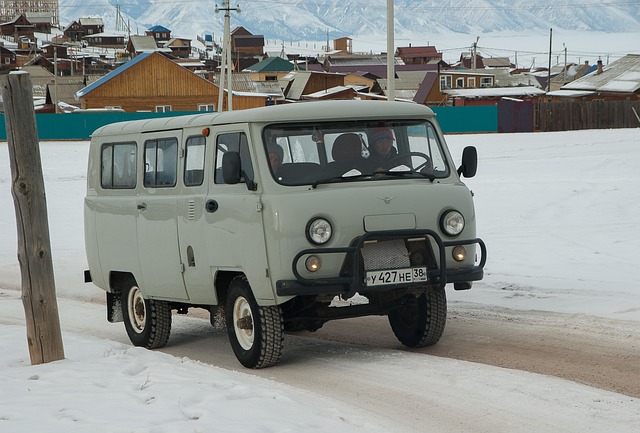
Need reliable 4×4 repair advice tailored to McAllen, TX? This guide offers expert tips on tackling common axle assembly issues, ensuring your off-road vehicle remains road-ready. From identifying problems to DIY repairs, we cover all you need to know for efficient and cost-effective maintenance.
Introduction:
In the rugged landscapes of McAllen, Texas, where roads can be as diverse as the terrain, having a reliable 4×4 is essential. However, even the best-maintained off-road vehicles require occasional repairs, especially when it comes to intricate components like axle assemblies. This article provides an in-depth look at axle assembly repairs for 4x4s, offering practical tips specifically tailored to McAllen drivers.
Understanding Axle Assemblies: The Backbone of Your 4×4
What are Axle Assemblies?
Axle assemblies are critical components of any 4×4 vehicle, serving as the connection between the wheels and the drivetrain. They include various parts like hubs, bearings, seals, and shafts, all working together to ensure smooth power transfer and wheel rotation.
Common Axle Assembly Issues in McAllen:
- Overheating: The hot, humid climate of McAllen can lead to increased friction and overheating of axle components, especially during extended off-road adventures.
- Corrosion: Salted roads and frequent rain can accelerate corrosion, affecting the integrity of axle assemblies over time.
- Worn Out Bearings: Frequent rough terrain driving may cause premature wear and tear on bearings, resulting in noise, vibration, or even catastrophic failure.
- Leaks: Seals can deteriorate, leading to fluid leaks that compromise the assembly’s performance and may cause further damage.
Tips for Efficient 4×4 Axle Assembly Repairs in McAllen
Step 1: Regular Maintenance is Key
- Inspect Regularly: Schedule routine checks of your axle assemblies, including visual inspections for signs of damage, corrosion, or leaks.
- Lubrication: Reapply lubricant to bearings and other moving parts as recommended by the vehicle manufacturer to reduce friction and wear.
- Tighten Up: Ensure all nuts, bolts, and fasteners are securely fastened, preventing loose components that can lead to premature wear.
Step 2: Identifying Problems Before They Become Serious
- Listen for Noises: Unusual clunking, squealing, or grinding sounds during turns or over rough terrain could indicate worn bearings or suspension issues.
- Check for Leaks: Inspect the area around axles for any fluid leaks. Green or red dyes can help track down the source of a leak.
- Monitor Temperature: Overheating can cause damage. Regularly check engine temperature, especially during long drives or off-road excursions.
Step 3: DIY Repairs vs. Professional Help
- Basic Maintenance: Many routine tasks like lubricating bearings and tightening components can be done by enthusiasts with basic tools.
- Specialized Knowledge: For complex repairs, such as replacing axle seals or bearing assemblies, professional mechanics in McAllen with specialized equipment are recommended.
- Safety First: Never attempt major repairs if you’re unsure; incorrect installation can lead to serious safety hazards.
Step 4: Obtaining the Right Parts
- Research Online: Start by identifying your vehicle’s make, model, and year for accurate parts matching. Websites like AutoZone or RockAuto offer extensive inventories.
- Local Suppliers: McAllen has several automotive stores with knowledgeable staff. Visit places like Napa Auto Parts for expert advice and genuine parts.
- OEM vs. Aftermarket: Original Equipment Manufacturer (OEM) parts are the original components, while aftermarket alternatives offer similar functionality at sometimes lower costs. Choose based on your budget and vehicle’s warranty.
Step 5: Repairs and Maintenance Techniques
Axle Seal Replacement:
- Disassemble: Remove the wheel, then carefully take apart the axle assembly to access the seals.
- Prepare the Area: Clean the area around the seal to ensure no debris or old lubricant remains.
- Install New Seals: Use a suitable gasketing compound if required and reassemble, ensuring proper torque for a secure fit.
Bearing Assembly Replacement:
- Lift and Support: Securely lift your vehicle and support it using jack stands for safety during the process.
- Remove Old Bearings: With the wheel removed, disassemble the axle assembly to access the bearings. Tap them out gently if needed.
- Install New Bearings: Clean the bearing seats and ensure new bearings are properly aligned before inserting them.
- Final Assembly: Reassemble the axle assembly, ensuring all components are securely fastened.
Frequently Asked Questions (FAQs):
Q: How often should I replace my 4×4’s axle seals?
A: Axle seal replacement depends on your driving conditions and maintenance history. Inspect them regularly for signs of wear or damage, and plan for replacements every 30,000 to 50,000 miles, or as recommended by your vehicle manufacturer.
Q: Can I replace axle bearings myself?
A: Yes, bearing assembly replacement is a feasible DIY project with the right tools and knowledge. However, ensure you follow safety protocols and have a reliable support system for lifting and securing your vehicle.
Q: What should I do if my 4×4 keeps overheating?
A: Overheating can be caused by various factors. Check your coolant levels, ensure proper radiator airflow, and inspect for leaks. If issues persist, consult a McAllen mechanic to diagnose and resolve the problem.
Conclusion:
Tackling axle assembly repairs on your 4×4 in McAllen doesn’t have to be daunting. By understanding common issues, implementing regular maintenance, and knowing when to seek professional help, you can keep your off-road vehicle running smoothly. Remember, proper care and timely repairs are key to many memorable McAllen adventures ahead!