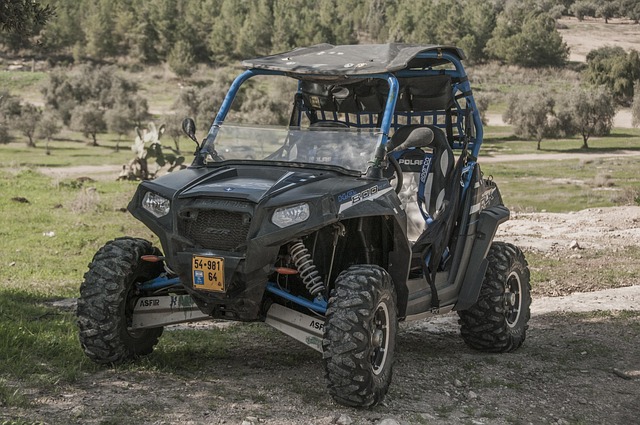
This guide offers valuable tips for residents and visitors of McAllen, Texas, navigating essential 4×4 repairs, with a specific focus on the role and importance of recovery straps. You’ll learn about different types of recovery straps, how to choose the right one for your vehicle, safe installation practices, and troubleshooting common issues.
Tips-for-4×4-Repairs-in-McAllen: Enhancing Off-Road Confidence
In the rugged landscapes surrounding McAllen, Texas, reliable 4×4 repairs are crucial for off-road enthusiasts. This guide delves into the world of recovery straps, equipping you with essential knowledge to handle various towing and recovery scenarios. Understanding how these straps work and choosing the right one can significantly enhance your off-road experience and safety.
Understanding Recovery Straps: Your 4×4’s Lifeline
What are Recovery Straps?
Recovery straps, also known as tow straps or winch straps, are robust, high-strength ropes designed for lifting and pulling heavy objects, including vehicles. They are essential tools in the arsenal of any 4×4 owner, providing a safe and effective way to extricate your vehicle from challenging off-road situations.
Types of Recovery Straps
McAllen’s diverse terrain demands versatile recovery straps:
-
Synthetic Straps: These modern straps, made from materials like Dyneema or Kevlar, offer exceptional strength-to-weight ratios and are resistant to abrasions. They’re ideal for extreme conditions.
-
Natural Fiber Straps: Traditional options like cotton or nylon straps are more affordable but may not match synthetic straps’ durability in harsh environments.
-
Winch Straps: Specifically designed for winches, these straps are longer and often feature a hooked end for easy attachment to your vehicle’s towing point.
Choosing the Right Recovery Strap for Your 4×4
Selecting the appropriate strap is crucial for both effectiveness and safety:
-
Load Capacity: Ensure the strap’s rated capacity exceeds your vehicle’s weight, including any additional cargo or a passenger. McAllen’s varied terrain means unpredictable conditions; err on the side of caution.
-
Length: Consider the distance between your 4×4 and the assistance point. A longer strap provides more maneuverability but may be less sturdy for heavy lifting.
-
Material: As discussed, synthetic straps offer superior durability. For lighter duty or budget-conscious owners, natural fiber options provide a balanced choice.
Safe Installation and Use of Recovery Straps
Pre-Use Checks:
Before relying on your recovery strap, conduct these essential checks:
-
Inspect for Damage: Rips, frayed ends, or broken fibers require immediate replacement.
-
Check Load Rating: Verify that the strap’s capacity meets your needs and is clearly visible on the packaging or label.
-
Winch Setup: Ensure your winch is properly installed, calibrated, and rated to handle the strain.
Secure Attachment:
Proper attachment points are critical:
-
Use Recommended Points: Refer to your vehicle’s manual for designated tow points, ensuring they align with the strap’s attachments.
-
Avoid Weak Spots: Steer clear of areas prone to rust or damage, like rusted holes or sharp edges.
-
Securely Fasten: Tighten straps securely using a figure-eight knot or a specialized winch-specific knot for added safety.
Troubleshooting Common Recovery Strap Issues
Even with proper care, problems can arise:
-
Strap Slip: If the strap slips during towing, check winch tension and ensure a secure connection to both vehicles. Consider using a choker hitch for better control in extreme cases.
-
Abrasion or Damage: Inspect straps regularly for signs of wear. Replace damaged or abraded straps immediately to avoid catastrophic failure.
-
Incorrect Load Distribution: Uneven weight distribution can cause strain on the strap. Always double-check your vehicle’s alignment and distribute weight evenly when towing.
Frequently Asked Questions (FAQs)
-
How do I know if a recovery strap is suitable for my 4×4?
Choose a strap with a load capacity significantly exceeding your vehicle’s GVWR, including any additional weight. Consider terrain challenges and intended use.
-
Can I use a regular rope instead of a specialized recovery strap?
While ropes may seem like a cheaper alternative, they lack the strength and durability of designed recovery straps. Ropes can snap or slip under strain, posing safety risks. Always use proper equipment.
-
What should I do if my recovery strap starts to fray during use?
Stop immediately, remove weight, and assess damage. If fraying is severe or noticeable, replace the strap as soon as possible to avoid a potential failure.
-
How can I store my recovery straps properly?
Keep them in a dry, cool place, away from direct sunlight and extreme temperatures. Inspect them regularly for signs of wear, and use protective covers when not in use to prevent damage.
-
Are there local resources in McAllen for 4×4 owners needing repairs or advice on recovery straps?
Absolutely! Local off-road clubs, automotive repair shops specializing in 4x4s, and online forums are valuable resources. They can provide tailored advice and support specific to McAllen’s terrain and conditions.
Conclusion: Enhancing Your Off-Road Journey with Tips-for-4×4-Repairs-in-McAllen
Mastering the art of 4×4 repairs, particularly recovery strap usage, empowers you to navigate McAllen’s diverse landscapes with confidence. By understanding your equipment, following safety protocols, and staying prepared, you can transform potential pitfalls into thrilling off-road adventures. Remember, knowledge is the key to a smooth and secure journey.