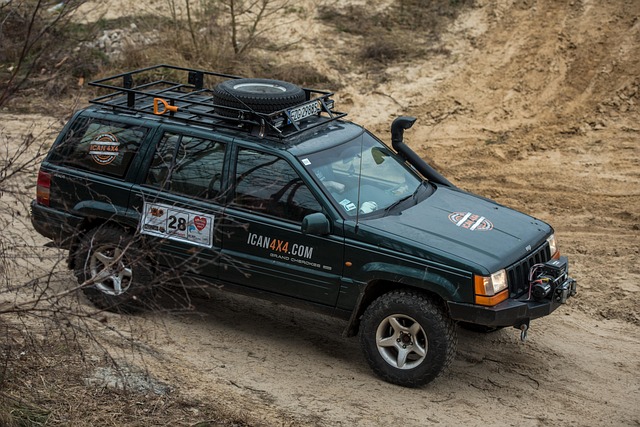
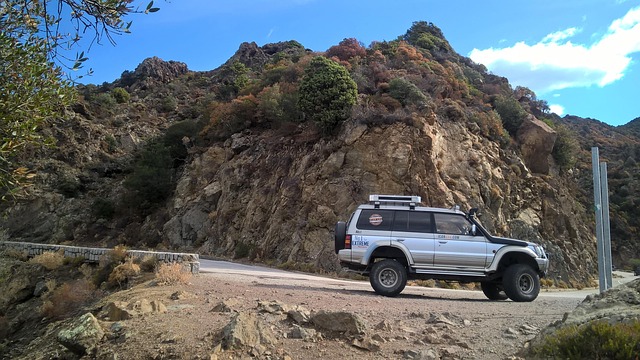
In this guide, we’ll explore essential tips tailored for 4×4 repairs in McAllen, with a specific focus on tow hooks. We’ll delve into their importance, common issues, and practical solutions, ensuring your off-road vehicle remains reliable and safe on McAllen’s diverse terrains. This comprehensive overview will empower local drivers to tackle basic repairs and make informed decisions when professional assistance is needed.
Tips for 4×4 Repairs in McAllen: Unlocking the Secrets of Tow Hooks
McAllen, with its varied landscapes and adventurous driving opportunities, demands reliable 4×4 vehicles. When it comes to tips-for-4×4-repairs-in-mcallen, understanding the intricacies of tow hooks is crucial. These robust components play a pivotal role in enhancing towing capability and ensuring your safety while navigating rough terrain. This article aims to provide valuable insights, empowering McAllen drivers to maintain their 4x4s effectively.
Understanding Tow Hooks: The Foundation of Safe Towing
What are Tow Hooks?
Tow hooks, often overlooked yet indispensable, are metal fittings securely attached to a vehicle’s front or rear bumper or chassis. They serve as attachment points for towing equipment, such as trailers, recovery vehicles, or other heavy loads.
Why are they Essential?
- Stability and Control: Tow hooks distribute the weight of the towed load evenly across the 4×4, enhancing stability and control during towing.
- Safety: Properly installed tow hooks prevent sudden disconnection, ensuring the safety of both your vehicle and the load during transit.
- Versatility: They accommodate various towing needs, from light trailers to heavy equipment.
Common Tow Hook Issues in McAllen’s Diverse Terrain
McAllen’s landscape encompasses everything from urban streets to dusty backroads and muddy trails. This variety can put significant strain on tow hooks, leading to potential issues:
- Corrosion: Humid climates like McAllen’s can accelerate corrosion, compromising the integrity of tow hooks over time.
- Weak or Improper Installation: Inadequate installation techniques or using subpar hardware can result in loose connections and potential failure during towing.
- Overloading: Towing beyond a hook’s rated capacity can lead to deformation or breakage.
- Aging and Wear: Regular use on challenging terrain may cause wear and tear, affecting the hook’s strength and functionality.
Essential Tips for Maintaining and Repairing Tow Hooks
Inspection: The First Step in McAllen’s Off-Road Journey
- Regular Visual Checks: Before each trip, inspect tow hooks for signs of damage, corrosion, or loose connections. Look for any visible wear, especially at the points of attachment.
- Test Towing Capacities: Ensure your vehicle is not towing beyond the recommended limits. Check the owner’s manual for specific towing guidelines.
- Check Hardware Security: All bolts and fasteners should be securely fastened. Replace any worn-out hardware to prevent potential failure.
Maintenance: Proactive Care for Longevity
- Cleaning and Lubrication: Periodically clean tow hooks with a wire brush or degreaser to remove corrosion. Apply a protective coating or lubricant to prevent future rust buildup.
- Tighten Connections: Routine checks and tightening of bolts ensure secure attachments, minimizing the risk of unexpected disconnections.
- Replace Worn Hooks: If hooks show significant signs of wear, replacement is essential. Modern tow hooks are designed for specific towing capacities, ensuring safety and efficiency.
Repairs: When to Seek Professional Assistance
- Severe Damage: In cases of major accidents or severe corrosion, professional repair or replacement is recommended.
- Unsure About Capabilities: If you’re unsure about the integrity of your tow hooks or the towing setup, consult a McAllen expert for an assessment.
- Complex Repairs: Complex repairs, such as rebuilding or reinforcing tow hooks, should be left to experienced mechanics.
Choosing the Right Tow Hooks for Your 4×4 in McAllen
Factors to Consider
- Vehicle Compatibility: Ensure the tow hooks are compatible with your 4×4 make and model. Check for specific mounting points and towing capacities.
- Towing Needs: Evaluate the types of loads you’ll be towing, whether light trailers or heavy equipment. Select hooks designed for your intended use.
- Material and Quality: High-quality steel or alloy tow hooks offer superior strength and durability. Look for reputable brands known for their reliability.
- Warranty: Check the manufacturer’s warranty to ensure long-term protection against defects.
Frequently Asked Questions (FAQs)
1. How often should I inspect my tow hooks?
Regular inspections, at least once a month or before each trip, are recommended. McAllen’s diverse terrain demands constant vigilance to prevent damage and corrosion.
2. Can I use regular car jack to lift my 4×4 for hook installation/replacement?
While a basic car jack may work for light tasks, specialized 4×4 jacks or floor jacks designed for off-road vehicles are safer and more reliable for raising your 4×4 during hook installations or repairs.
3. What should I do if my tow hook becomes loose while towing?
Stop immediately in a safe location. Do not attempt to continue towing. Secure the load using alternative methods, such as ratchet straps, and consult a professional mechanic to inspect and tighten or replace the hook.
Conclusion: Mastering 4×4 Repairs in McAllen with Tow Hooks
Understanding tips-for-4×4-repairs-in-mcallen, particularly the significance of tow hooks, empowers local drivers to navigate McAllen’s challenges with confidence. By following the maintenance and repair tips outlined above, you can ensure your 4×4 remains in top condition, providing a safer and more enjoyable off-road experience. Remember, whether it’s routine inspections or complex repairs, McAllen has a network of skilled mechanics ready to assist. With the right knowledge and support, you’re well-prepared to conquer any terrain that McAllen has to offer.